Introduction
A defensive barrier is a critical component of modern military infrastructure, serving as the first line of protection for personnel, equipment, and strategic assets. Whether deployed along contested borders, around forward operating bases, or as part of permanent garrison fortifications, these physical obstacles are designed to delay, deter, and deny unauthorized access or hostile movement.
This comprehensive guide explores the full spectrum of military perimeter protection systems — from portable wire mesh units to massive concrete fortifications. We examine the different types available, the materials used in their construction, key factors for selecting the right barrier system, and the cost considerations that influence procurement decisions. Military planners, security professionals, and defense contractors will find actionable insights into how modern perimeter security solutions can enhance force protection.
Understanding the capabilities and limitations of each barrier type is essential for designing effective defensive positions. The right obstacle system can mean the difference between a secure perimeter and a vulnerable position. This article answers the most common questions about military defensive barriers to help you make informed decisions for your specific operational requirements.
What Is a Military Defensive Barrier?
A military defensive obstacle is any physical structure specifically designed to protect personnel, equipment, installations, and territory from hostile forces. A defensive barrier serves multiple strategic purposes: channeling enemy movement into kill zones, delaying advancing forces to allow defensive reactions, providing cover for friendly troops, and establishing clear perimeter boundaries that are difficult to breach.
Modern military barriers can be categorized by their intended lifespan (temporary or permanent), by their construction material (steel, concrete, earth, or composite), and by their tactical function (anti-personnel, anti-vehicle, or anti-armor). The fundamental principle behind every defensive barrier is the same: create an obstacle that an adversary cannot easily overcome without significant time, specialized equipment, or unacceptable casualties.
Core Functions of Perimeter Barriers
- Deterrence: A visible, formidable barrier discourages potential attackers from attempting penetration
- Delay: Obstacles slow enemy movement, buying time for defensive forces to respond
- Channeling: Barriers funnel attackers into predetermined kill zones where defensive fire is concentrated
- Protection: Defensive structures provide physical shielding against small arms fire, vehicle impacts, and blast effects
- Boundary demarcation: Clear physical boundaries reduce ambiguity and prevent accidental incursions
The effectiveness of any barrier is measured not just by its physical strength, but by how well it integrates with the overall defensive plan — including surveillance systems, patrol routes, and firing positions. A well-designed obstacle system multiplies the combat effectiveness of the forces behind it.
Types of Military Defensive Barriers
Military engineers and defense planners have developed a wide range of barrier types to address different tactical scenarios and threat levels. Understanding the capabilities of each type is essential for selecting the most appropriate military defensive barrier for any given application. Below, we examine the major categories in detail.
Wire Mesh and Anti-Tank Barriers
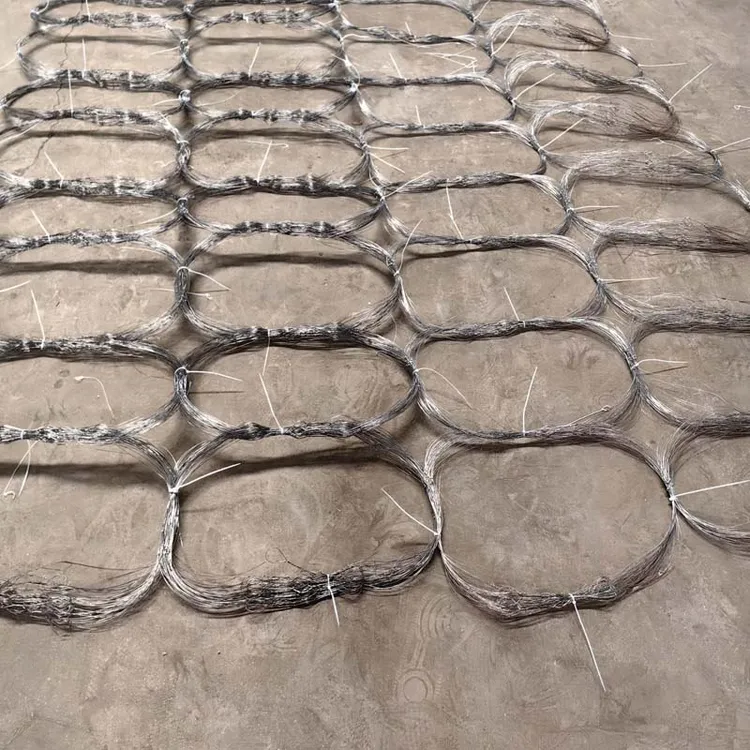
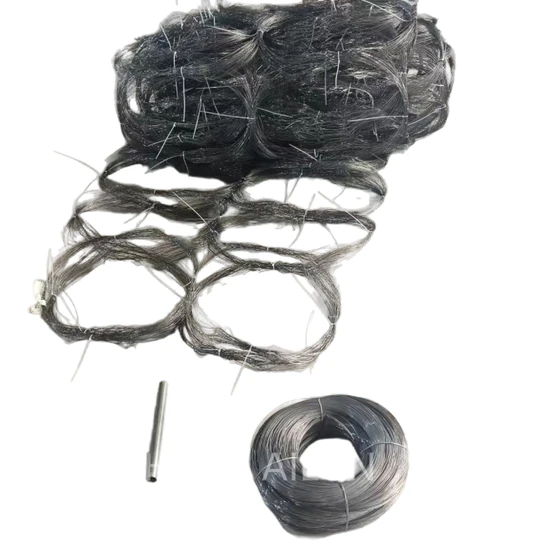
Wire mesh fence systems represent one of the most versatile and widely deployed perimeter solutions. These barriers typically consist of heavy-gauge welded wire mesh panels reinforced with steel frames, designed to withstand significant impact forces. Anti-tank mesh barriers are specifically engineered to stop or slow armored vehicles, using rigid steel construction that can absorb the kinetic energy of a multi-ton vehicle impact. Military Defensive Barriers - Wire Mesh Fence systems are particularly valued for their modular design and rapid deployment capabilities.
Key features of wire mesh perimeter barriers include:
- High tensile strength steel wire construction (typically 4-8 mm diameter wire)
- Modular panel design for rapid deployment and reconfiguration
- Compatibility with concertina wire toppings for enhanced anti-personnel protection
- Corrosion-resistant galvanized or PVC-coated finishes for long service life
- Customizable dimensions to match specific threat profiles and terrain conditions
Concrete and Jersey Barriers
Concrete barriers, including the widely recognized Jersey barrier design, are among the most common permanent defensive obstacles. These massive precast concrete units provide exceptional resistance to vehicle impacts and blast effects. The distinctive shape of Jersey barriers — wide at the base and narrowing toward the top — causes vehicle tires to ride up the sloped face, redirecting the vehicle rather than allowing it to climb over.
Typical concrete barrier specifications include:
- Weight: 3,000 to 12,000 pounds per section depending on design
- Height: 32 to 54 inches standard; taller anti-ram variants available
- Reinforcement: steel rebar cages within Grade 40-50 concrete
- Interlocking connection systems for continuous barrier lines
Concertina Wire and Razor Wire Barriers
Concertina wire barriers consist of coils of high-tensile steel wire with sharp razor blades or barbed edges. These lightweight but highly effective obstacles are used extensively for temporary perimeter security, crowd control, and as toppings on other barrier types. Modern concertina wire is manufactured in long coils that can be rapidly deployed by a single person, making it ideal for expeditionary military operations.
When combined with rigid foundation systems, these barriers deliver exceptional protection. For example, triple-standard concertina fence (TSCF) systems integrate multiple coils on steel pickets to create a formidable obstacle up to 2.5 meters high that is extremely difficult to breach without specialized cutting tools. These represent Heavy-Duty Military Defensive Barriers for Enhanced Protection in temporary or semi-permanent applications.
Water-Filled and Portable Barriers
Water-filled barriers offer a unique combination of rapid deployability and substantial mass. These hollow plastic or rubber units are transported empty, then filled with water (or sand) on site to achieve their full weight. A standard water-filled section weighing 150 pounds empty can reach over 1,500 pounds when filled, providing effective vehicle stopping power. These units excel in temporary applications where concrete would be impractical due to logistics or environmental restrictions.
Materials Used in Defensive Barrier Construction
The materials used in defensive barrier construction directly determine their strength, durability, cost, and suitability for different environments. Selecting the right material is a critical decision that affects both short-term performance and long-term maintenance requirements.
| Material | Strength | Durability | Cost per Meter | Best Application |
|---|---|---|---|---|
| Galvanized Steel Wire | High | 15-25 years | $50-150 | Perimeter fencing, anti-vehicle barriers |
| Reinforced Concrete | Very High | 25-50+ years | $200-600 | Permanent fortifications, checkpoints |
| High-Tensile Steel (Concertina) | Medium | 5-10 years | $15-40 | Temporary fencing, barrier toppings |
| Polyethylene (Water-Filled) | Medium (when filled) | 5-8 years | $80-200 | Temporary traffic control, events |
| Earth and Gabion | High | 10-20 years | $30-100 | Field fortifications, blast protection |
Steel and Metal Alloys
Steel is the most common material for portable and semi-permanent defensive barriers. Galvanized or stainless steel wire mesh provides excellent strength-to-weight ratios, corrosion resistance, and ease of installation. Systems like the Military Defensive Barriers - Wire Mesh Fence are manufactured from high-tensile steel wire (typically 700-1,200 MPa tensile strength) for concertina wire, offering maximum cutting resistance in a lightweight package. The choice between galvanized, PVC-coated, or stainless steel depends on the expected environmental conditions and required service life.
Concrete and Cementitious Materials
Concrete remains the gold standard for permanent defensive barriers where maximum strength is required. Modern precast concrete barriers use high-strength mixes (40-60 MPa compressive strength) with steel reinforcement to achieve exceptional impact resistance. Fiber-reinforced concrete variants offer improved crack resistance and spall reduction under blast loads.
Composite and Hybrid Materials
Emerging barrier technologies combine multiple materials to optimize performance. Steel-reinforced polymer composite barriers offer weight reduction compared to pure concrete while maintaining impact resistance. Sand-filled Hesco bastions combine fabric outer shells with compacted earth fill to create effective blast and ballistic protection barriers that can be rapidly assembled in the field.
Temporary vs Permanent Defensive Barriers
One of the most important decisions in defensive planning is whether to deploy temporary or permanent barrier systems. Each approach offers distinct advantages and limitations that must be weighed against the operational requirements, threat environment, and available resources.
Temporary Defensive Barriers
Temporary barriers are designed for rapid deployment, ease of transport, and quick removal when no longer needed. They are the preferred choice for expeditionary military operations, peacekeeping missions, disaster response, and other scenarios where the defensive posture may change frequently.
Key characteristics of temporary barriers include:
- Rapid deployment: Most temporary systems can be installed by a small team in hours rather than days
- Modular construction: Individual units can be added, removed, or reconfigured as the tactical situation evolves
- Lightweight transport: Many temporary barriers are designed to be transported in standard military vehicles or even by hand
- Minimal site preparation: Temporary barriers typically require little to no foundation work or ground modification
- Lower initial cost: The upfront investment for temporary systems is generally lower than permanent alternatives
Common temporary barrier systems include concertina wire coils, portable wire mesh panels, water-filled barriers, and Hesco bastion units. These systems excel in situations where the perimeter may need to expand, contract, or relocate based on mission requirements.
Permanent Defensive Barriers
Permanent barriers are built for long-term service at fixed installations such as military bases, border crossings, government facilities, and critical infrastructure sites. These structures are engineered to withstand repeated attacks and environmental exposure over decades of service.
Key characteristics of permanent barriers include:
- Maximum structural integrity: Permanent barriers are designed to withstand sustained attack and extreme weather events
- Long service life: With proper maintenance, concrete and steel barriers can remain effective for 25-50 years or more
- Integration with infrastructure: Permanent barriers can incorporate lighting, surveillance cameras, access control systems, and communications wiring
- Higher initial investment: Permanent systems require significant upfront capital but lower lifecycle costs over extended periods
- Fixed position: Once installed, permanent barriers are difficult and expensive to relocate
Concrete Jersey barriers, reinforced masonry walls, and buried anti-vehicle obstacles are the most common permanent types. These structures are typically specified during the design phase of a new military installation and are integral to the overall base defense plan. For applications requiring maximum durability, Heavy-Duty Military Defensive Barriers for Enhanced Protection using reinforced concrete or steel composite construction deliver the highest level of threat resistance.
When to Choose Temporary vs Permanent
The decision between temporary and permanent barriers should be based on several factors:
- Mission duration: Deployments under 6 months favor temporary solutions; multi-year or indefinite deployments justify permanent investment
- Threat level: High-intensity threat environments with heavy weapons require the superior protection of permanent barriers
- Budget constraints: Temporary barriers offer lower upfront costs; permanent barriers provide better value over extended periods
- Environmental conditions: Harsh climates may require the durability of permanent construction
- Regulatory considerations: Some jurisdictions restrict permanent construction on certain land types
Many military installations employ a hybrid approach, using permanent barriers for the outer perimeter while maintaining temporary or modular systems for interior security zones and access control points.
How to Choose the Right Defensive Barrier for a Military Base
Selecting the right perimeter protection system for a military base requires careful evaluation of multiple factors that extend well beyond simple cost comparisons. A barrier system that is perfectly suited for one installation may be entirely inadequate for another. The following framework provides a systematic approach to barrier selection.
Step 1: Threat Assessment
The first and most critical step is understanding the specific threats the barrier must counter. These typically fall into three categories:
- Anti-personnel threats: Infantry assault, climbing attempts, cutting through barriers, and small arms fire
- Anti-vehicle threats: Vehicle-borne improvised explosive devices (VBIEDs), ramming attacks, and armored vehicle penetration
- Anti-armor threats: Direct fire from armored fighting vehicles, artillery, and precision munitions
Each threat category requires different barrier characteristics. Anti-personnel barriers emphasize climb resistance and cutting resistance, while anti-vehicle barriers prioritize impact absorption and momentum redirection.
Step 2: Site Assessment
The physical environment where the barrier will be installed significantly influences the selection process. Key site factors include:
- Terrain: Flat terrain allows for standard barrier configurations; sloped or uneven terrain may require custom solutions
- Soil conditions: Bearing capacity affects foundation requirements for permanent obstacles
- Climate: Extreme temperatures, precipitation, and UV exposure affect material selection and maintenance schedules
- Access constraints: Remote sites may limit the size and weight of barrier components that can be transported
- Subsurface utilities: Existing underground infrastructure may restrict barrier placement or foundation depth
Step 3: Operational Requirements
The obstacle system must support, not hinder, the base operational mission. Consider:
- Entry and exit points: How many access points are needed? What types of vehicles will pass through?
- Visibility requirements: Some barriers provide cover and concealment; others must allow observation through or over them
- Integration with technology: Can the barrier accommodate sensors, cameras, lighting, and communication systems?
- Expansion capability: Will the base need to enlarge its perimeter in the future?
Step 4: Regulatory and Compliance Factors
Military barrier installations must comply with relevant standards and regulations. In many jurisdictions, barriers at military facilities must meet specific impact resistance ratings, height requirements, and setback distances. Defense contractors and military engineers should consult applicable military standards (such as UFC 4-022-01 for Department of Defense facilities in the United States) when specifying barrier systems.
Step 5: Lifecycle Cost Analysis
The cheapest barrier is rarely the most cost-effective over its intended service life. A proper lifecycle cost analysis should include:
- Initial procurement and installation costs
- Annual maintenance and inspection expenses
- Expected service life and replacement frequency
- Training requirements for installation and maintenance personnel
- Logistics and spare parts inventory costs
Cost Considerations for Military Defensive Barriers
Understanding the costs associated with military defensive barriers is essential for budget planning and procurement decision-making. The question "How much do military defensive barriers cost?" does not have a single answer — pricing varies dramatically based on barrier type, material quality, quantity ordered, installation complexity, and additional features.
Cost Breakdown by Barrier Type
The following provides representative cost ranges for common military barrier types. These figures reflect typical defense procurement pricing and may vary based on specifications, certifications, and order volume.
| Barrier Type | Unit Cost (USD) | Installation Cost | Annual Maintenance | Service Life |
|---|---|---|---|---|
| Concertina Wire (per 15m coil) | $30-80 | $5-15 per meter | $2-5 per meter | 5-10 years |
| Wire Mesh Panel (2.4m x 3m) | $150-400 | $20-50 per panel | $10-20 per panel | 15-25 years |
| Concrete Jersey Barrier (6m section) | $400-1,200 | $100-300 per section | $15-30 per section | 25-50 years |
| Water-Filled Barrier (2m section) | $150-400 | $10-30 per section | $5-10 per section | 5-8 years |
| Anti-Tank Mesh System (per meter) | $200-600 | $40-100 per meter | $10-25 per meter | 20-30 years |
Factors That Influence Barrier Costs
Several variables can significantly impact the total cost of a defensive barrier project:
- Quantity discounts: Bulk procurement typically reduces per-unit costs by 15-30% for large-scale projects
- Custom specifications: Non-standard dimensions, specialized coatings, or enhanced ballistic ratings add 20-50% to base pricing
- Site preparation: Grading, drainage, and foundation work can add 30-60% to total project cost
- Transportation: Heavy barriers like concrete sections incur significant freight costs, especially for remote installations
- Installation labor: Specialized installation teams may be required for certain barrier types, particularly those involving concrete forming or welding
- Certification and testing: Barriers that require blast or impact certification testing carry premiums for documented performance validation
Total Cost of Ownership
When evaluating barrier costs, military procurement officers should consider total cost of ownership (TCO) rather than initial purchase price alone. A more expensive barrier with a 30-year service life and minimal maintenance requirements may offer better value than a cheaper alternative that requires replacement every 8-10 years. For example, galvanized wire mesh barriers with proper corrosion protection may have higher upfront costs but significantly lower lifecycle costs than untreated alternatives in coastal or humid environments.
Conclusion
Military defensive barriers are an indispensable element of modern force protection and perimeter security. From lightweight concertina wire coils deployed in forward operating bases to massive concrete fortifications protecting permanent installations, the range of available solutions ensures that there is an appropriate system for virtually every operational requirement.
When selecting a protective barrier, military planners should systematically evaluate the threat environment, site conditions, operational needs, and lifecycle costs. There is no universal solution — the best obstacle for any given application is the one that provides the required level of protection at the lowest total cost of ownership while supporting the overall defensive strategy.
Key takeaways from this guide:
- Understand your threats: Different barrier types excel against different attack vectors — match the system to the specific threat
- Consider the full lifecycle: Initial cost is just one factor; maintenance, service life, and replacement frequency matter equally
- Think modular: Modern barrier systems that allow for reconfiguration and expansion provide long-term flexibility
- Integrate with technology: The most effective perimeter barriers work in concert with surveillance, detection, and response systems
- Plan for the long term: Even temporary installations benefit from planning that considers potential mission evolution
For defense contractors and military procurement teams seeking reliable, battle-tested solutions, investing in quality materials and proven designs is essential. The military defensive barrier market continues to evolve with advances in materials science, manufacturing techniques, and threat analysis, offering ever more effective options for protecting personnel and assets in an increasingly complex security environment.
For more information on specific barrier types, technical specifications, and procurement options, consult with qualified defense barrier suppliers or military engineering professionals who can provide tailored recommendations based on your unique operational parameters.
![Anti-Tank Barriers Buyer's Guide: Types, Costs & Military Procurement [2026]](/images/anti-tank-barriers-hero.webp)