Introduction
In modern tactical defense operations, the ability to establish perimeter security rapidly can mean the difference between mission success and failure. Mobile razor wire security barriers have emerged as an essential asset for military forces, law enforcement agencies, and security contractors who require immediate, reliable perimeter protection without the permanence of fixed installations. Unlike traditional fixed fencing systems, these deployable barriers combine the proven deterrent capability of sharp-edged razor wire with the logistical flexibility of portable, modular construction.
Also referred to as a Dannert wire barrier in UK/NATO terminology, a rapidly deployable perimeter barrier offers a unique solution for temporary security zones, forward operating bases, checkpoints, and crowd control scenarios. These systems are engineered for quick setup, easy transport, and effective denial of access across a wide range of tactical environments. As global security demands evolve, understanding the capabilities, specifications, and applications of these deployable barriers becomes critical for procurement officers, military planners, and security professionals.
This article provides a comprehensive examination of mobile razor wire security barriers — from construction specifications and deployment methodologies to cost analysis and procurement strategies. Whether you are securing a military compound, managing a border operation, or coordinating event security, this guide covers everything you need to know about these versatile defensive systems.
What Is a Mobile Razor Wire Security Barrier?
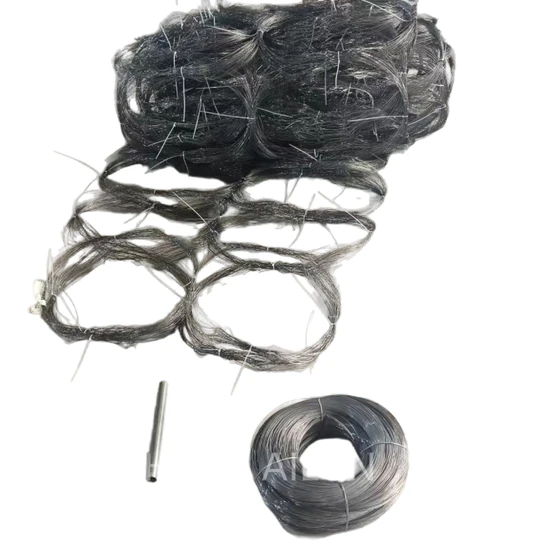
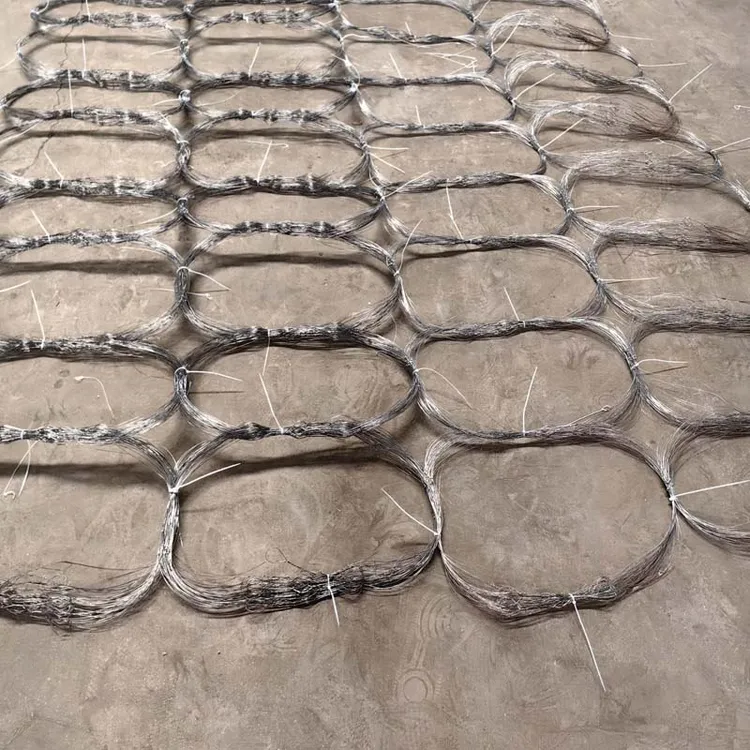
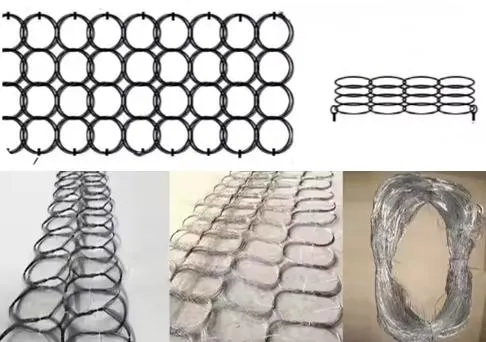
A mobile razor wire security barrier for rapid deployment is a portable perimeter defense system constructed from concertina coils or razor wire strands integrated into a self-supporting, transportable framework. Unlike fixed barriers that require permanent foundation work, these units are designed to be deployed, repositioned, and retrieved with minimal manpower and equipment.
Construction and Materials
The core component of any mobile razor wire barrier is the razor wire itself — typically manufactured from galvanized steel or stainless steel with sharp-edged barbs designed to inflict injury and prevent climbing. The razor wire coils are mounted onto a mobile frame structure, which may be constructed from:
- Galvanized steel tubing: Heavy-duty square or round tube frames that resist corrosion and withstand impact forces
- Folding tripod or A-frame assemblies: Collapsible metal structures that enable compact storage and rapid deployment
- Modular interlocking sections: Individual barrier units that connect laterally to form continuous perimeter runs of any required length
- Wheel-mounted bases: Integrated casters or wheels for manual repositioning without mechanical assistance
The razor wire used in mobile barriers typically follows military-grade specifications, with blade lengths of 15–22 mm, coil diameters ranging from 600 mm to 980 mm, and tensile strengths exceeding 1,200 N/mm². Concertina wire barriers remain the most common form, offering the optimal balance of containment effectiveness and deployment convenience.
Key Design Features for Rapid Deployment
What distinguishes a mobile razor wire barrier from conventional fixed installations is its engineered focus on speed and simplicity of deployment. Key design features include:
- Tool-free assembly: Most modern mobile barriers use spring-loaded or pin-locking mechanisms that eliminate the need for wrenches, fasteners, or power tools
- Integrated carrying handles: Ergonomic grip points allow two personnel to carry and position each barrier unit
- Stackable storage: Collapsed barriers nest into compact stacks, reducing transport volume by up to 70% compared to assembled units
- Rapid expansion systems: Some designs incorporate pre-compressed concertina coils that spring to full size automatically upon release
- Anchoring provisions: Pre-drilled base plates accept sandbags, stakes, or ballast blocks for stability without permanent ground penetration
These design innovations ensure that a complete perimeter defense system can be operational within minutes of arrival on site, meeting the demands of time-sensitive tactical operations.
Mobile vs Fixed Razor Wire Barriers: Key Differences
Understanding the difference between mobile and fixed razor wire barriers is essential for selecting the right security solution. Each configuration serves distinct operational requirements, and the choice between them depends on mission duration, site conditions, budget, and threat level.
| Feature | Mobile Razor Wire Barrier | Fixed Razor Wire Barrier |
|---|---|---|
| Installation time | 5–15 minutes per section | Hours to days for permanent fencing |
| Foundation required | None — uses ballast or ground stakes | Concrete footings or anchored posts |
| Relocatability | Fully transportable and reusable | Permanent — demolition required to remove |
| Per-meter cost | $80–$250 per linear meter | $50–$150 per linear meter (installed) |
| Perimeter length | 50–500 meters per deployment | Unlimited — can run kilometers |
| Manpower for setup | 2–4 personnel | 4–8+ personnel plus contractors |
| Weather resilience | Good with proper anchoring | Excellent — engineered for long-term exposure |
| Storage efficiency | Collapsible, minimal footprint | Not applicable (permanent structure) |
Fixed razor wire barriers offer superior long-term durability and are better suited for permanent military bases, border fences, and correctional facilities where the barrier will remain in place for years. However, they require significant site preparation, concrete foundations, and professional installation — making them impractical for temporary deployments or rapidly changing tactical situations.
In contrast, mobile razor wire security barriers excel in scenarios requiring immediate protection with the option to relocate. Forward operating bases, temporary checkpoints, humanitarian aid zones, and special events all benefit from the flexibility that mobile barriers provide. The higher upfront per-unit cost of mobile barriers is offset by their reusability across multiple missions and locations.
For organizations that maintain both permanent and rotating security requirements, a hybrid approach is often optimal — fixed barriers for primary perimeter defense supplemented by mobile units for secondary zones, access control points, and rapid reinforcement of vulnerable sections.
Deployment Speed and Operational Capabilities
One of the most critical performance metrics for any mobile razor wire security barrier is its deployment speed. In tactical scenarios, the ability to establish a secure perimeter rapidly directly impacts force protection and operational effectiveness. Modern mobile barriers are engineered to minimize setup time through thoughtful design and standardized procedures.
Typical Deployment Timeframes
The quickly can a mobile razor wire barrier be deployed depends on the specific system design and the number of personnel involved. Industry benchmarks for standard mobile concertina barrier systems are as follows:
- Single-unit setup (2 personnel): 5–8 minutes per 3-meter barrier section from vehicle offload to fully deployed and stabilized
- Linear perimeter assembly (4 personnel): 30–45 minutes for a 100-meter barrier line including inter-unit connections and anchoring
- Full perimeter enclosure (6 personnel): 2–3 hours for a 300-meter perimeter with designated entry points and overlapping zones
- Rapid-response pre-packed systems: 2–3 minutes per unit using pre-compressed concertina coils that self-deploy
These timeframes assume the deployment site is reasonably level and clear of major obstructions. Rough terrain, adverse weather, or night operations may increase setup times by 25–50% depending on conditions.
Transport and Storage Efficiency
Mobile razor wire barriers are designed with logistics in mind. A typical military-grade barrier unit collapses to approximately 15–20% of its deployed volume for transport. A single standard military pallet (1.2 m × 1.0 m × 1.2 m) can hold 8–12 collapsed barrier sections — enough to create 30–40 meters of perimeter defense.
- Vehicle requirements: A standard 5-ton military truck can transport 40–60 collapsed barrier sections
- Air transport: Systems weighing under 50 kg per section can be helicopter-slung or loaded into tactical aircraft
- Manual carriage: Individual barrier units weighing 25–45 kg can be carried by two personnel over short distances
- Storage life: Galvanized steel construction provides 10–15 years of storage life when properly maintained
The logistical efficiency of mobile barriers makes them particularly valuable for expeditionary operations where every cubic meter of transport capacity counts.
Technical Specifications
When evaluating a mobile barrier for procurement, understanding its technical parameters is essential for matching the product to operational requirements. Below are the standard specifications for military-grade mobile razor wire security barriers:
| Parameter | Standard Specification | Heavy-Duty Specification |
|---|---|---|
| Barrier section length | 2.5 m – 3.0 m | 3.0 m – 4.0 m |
| Barrier height | 1.8 m – 2.0 m | 2.0 m – 2.5 m |
| Frame material | Galvanized steel tube Ø40 mm, 2.0 mm wall | Galvanized steel tube Ø50 mm, 2.5 mm wall |
| Razor wire coil type | Single-coil concertina, 980 mm diameter | Double-coil concertina, 700 mm / 980 mm |
| Blade specification | 22 mm × 12 mm, 0.5 mm thickness | 28 mm × 15 mm, 0.6 mm thickness |
| Steel tensile strength | 1,200 – 1,400 N/mm² | 1,400 – 1,600 N/mm² |
| Unit weight (assembled) | 35 – 45 kg | 50 – 70 kg |
| Unit weight (collapsed) | 30 – 38 kg | 42 – 58 kg |
| Corrosion protection | Hot-dip galvanized (BS EN ISO 1461) | HDG + PVC coating optional |
| Anchoring method | Sandbag base / ground stakes / ballast blocks | All three methods included |
| Wind load rating | 120 km/h (with sandbag anchoring) | 150 km/h (with stake anchoring) |
| Operating temperature | -30°C to +60°C | -40°C to +80°C |
| Storage temperature | -40°C to +70°C | -50°C to +80°C |
The specifications of mobile barriers can vary between manufacturers, and customization is common for specific military contracts. Key variables include coil configuration, frame height modifications, and color options (standard green, tan, or camouflage for tactical environments; high-visibility orange for training or temporary civilian applications).
When evaluating different models, pay particular attention to the galvanization quality and blade steel hardness, as these directly impact the service life and penetration resistance of the barrier. Reputable manufacturers provide test certificates confirming compliance with relevant military standards such as NATO STANAG or DEF STAN specifications.
Military and Tactical Applications
Mobile razor wire barriers serve a wide range of military and security applications. Understanding these deployment contexts helps procurement teams specify the right configuration and quantity for their operational needs.
Military Base Protection
Forward operating bases (FOBs) and temporary military camps frequently require perimeter security that can be established quickly and relocated as the tactical situation evolves. Mobile concertina barriers provide 360-degree protection around command posts, logistics hubs, and troop billeting areas. Military units typically deploy these barriers in concentric rings, with an outer deterrent zone of razor wire barriers followed by inner defensive positions.
Border Security Operations
Border patrol and customs enforcement agencies use mobile razor wire barriers to secure temporary crossing points, establish inspection lanes, and reinforce sections of border fencing during maintenance or upgrades. The portable nature of these barriers allows border security forces to respond dynamically to emerging migration patterns or smuggling routes.
Temporary Checkpoints and Access Control
Vehicle checkpoints (VCPs) and personnel access points require barriers that can be configured into entry lanes, search areas, and holding zones. Mobile barriers excel in this role because they can be repositioned to accommodate changing traffic patterns or threat vectors. Standard checkpoint configurations include serpentine entry lanes, L-shaped holding areas, and vehicle inspection bays.
Special Event and VIP Security
Civil security operations — including political summits, international sporting events, and VIP protection details — benefit from the rapid deployment capabilities of mobile razor wire barriers. These events typically require temporary security perimeters that leave no permanent site alteration, making mobile barriers the preferred solution over fixed fencing.
Suppliers of mobile razor wire barriers for military use include established defense contractors and specialized perimeter security manufacturers. Many of these suppliers of mobile razor wire barriers for military use maintain NATO supply chain certifications and offer comprehensive support including deployment training, maintenance programs, and spare parts packages. When sourcing for military applications, verify that the supplier has experience with defense procurement processes and can provide the necessary documentation for military acceptance testing.
Cost Considerations
The cost of a mobile razor wire security barrier varies significantly based on specifications, materials, manufacturing quality, and procurement volume. Understanding these cost factors helps organizations budget effectively and select the most cost-efficient configuration.
Price Ranges by Configuration
| Configuration Level | Price per Unit (USD) | Typical Applications |
|---|---|---|
| Basic lightweight barrier | $80 – $120 per linear meter | Event security, temporary crowd control |
| Standard military-grade barrier | $120 – $180 per linear meter | FOB perimeter, checkpoint security |
| Heavy-duty tactical barrier | $180 – $250 per linear meter | High-threat military bases, border security |
| Custom-engineered system | $250 – $400+ per linear meter | Specialized government contracts |
Factors Affecting Cost
- Material quality: Stainless steel blades and heavy-gauge frames command a premium over standard galvanized steel
- Coil configuration: Double-coil concertina barriers cost approximately 40–60% more than single-coil designs
- Volume discounts: Orders exceeding 500 linear meters typically receive 10–20% discount; orders above 2,000 linear meters may negotiate 25–35% reduction
- Customization: Non-standard dimensions, specialized coatings, or camouflage finishes add 10–25% to base pricing
- Ancillary equipment: Transport crates, deployment tools, anchoring systems, and maintenance kits are typically quoted separately
- Training and support: On-site deployment training and technical support add $2,000–$10,000 depending on scope
Total Cost of Ownership
When evaluating how much a mobile barrier costs, it is important to consider total cost of ownership rather than initial purchase price alone. Mobile barriers have a service life of 10–15 years and can be reused across dozens of deployments. The cost-per-use decreases dramatically with each deployment cycle, making them more economical than single-use alternatives like temporary fencing.
Procurement officers should request detailed lifecycle cost analyses from suppliers, including expected maintenance intervals, replacement part availability, and projected service life under typical operating conditions. This information enables accurate comparison between competing products and helps avoid hidden long-term expenses.
Where to Buy Mobile Razor Wire Barriers
For organizations seeking to buy mobile razor wire barriers for security purposes, selecting the right supplier is as important as choosing the right product. The global market for mobile security barriers includes a mix of specialized manufacturers, defense contractors, and international distributors.
Supplier Categories
- Specialized perimeter security manufacturers: Companies that focus exclusively on razor wire, barbed wire barrier systems, and concertina products offer the deepest product expertise and widest range of configurations. These manufacturers typically provide direct factory pricing and customization options.
- Defense contractors: Large defense contractors include mobile barrier systems in their broader force protection portfolios. They offer integrated solutions — buying barrier from them often includes logistics planning, deployment training, and ongoing maintenance support.
- Government-approved suppliers: Many nations maintain approved supplier lists for security equipment procurement. Purchasing from these pre-vetted sources streamlines the acquisition process and ensures compliance with national security standards.
- International distributors: Regional distributors stock products from multiple manufacturers and can provide faster delivery for smaller quantities. However, customization options and direct technical support may be limited compared to manufacturer-direct purchases.
Procurement Best Practices
When evaluating where to purchase mobile barriers, consider these factors:
- Certification and compliance: Verify that the supplier's products meet relevant military standards (MIL-SPEC, NATO STANAG, DEF STAN) and have documented test results
- Sample evaluation: Request physical samples or arrange a factory visit to assess build quality before committing to large orders
- Lead times: Standard orders typically require 4–8 weeks for production; custom configurations may need 10–16 weeks
- After-sales support: Confirm warranty terms, spare parts availability, and technical support response times
- Export controls: Be aware that mobile razor wire barriers may be subject to export control regulations depending on the destination country and end-user
China has emerged as a major manufacturing hub for mobile razor wire barriers, with factories offering competitive pricing and the ability to handle large-volume orders. When sourcing from international suppliers, ensure clear communication on specifications, quality standards, and shipping logistics to avoid costly misunderstandings. Compared to traditional barbed wire barrier solutions, mobile razor wire systems offer superior deterrence and faster deployment — factors that justify the higher initial investment for mission-critical applications.
Conclusion
Mobile razor wire security barriers represent a critical capability for modern tactical defense operations. Their unique combination of rapid deployment, portability, and proven deterrent effectiveness makes them indispensable for military forces, law enforcement agencies, and security organizations operating in dynamic environments.
The ability to establish a secure perimeter in minutes rather than hours — and to relocate that perimeter as operational requirements change — provides tactical commanders with flexibility that fixed barriers simply cannot match. From forward operating bases in hostile territory to temporary checkpoints at border crossings and secure perimeters at high-profile events, the applications for these deployable systems continue to expand. Concertina wire barriers, in particular, have proven their value across the full spectrum of security operations.
When selecting a mobile razor wire barrier for your operations, consider the full spectrum of requirements: deployment speed, transport logistics, technical specifications, total cost of ownership, and the reputation and capabilities of the supplier. Organizations that invest in quality mobile barrier systems backed by proper training and maintenance programs achieve the best long-term value and operational readiness.
As security threats evolve and operational tempo increases, the demand for rapidly deployable perimeter solutions will only grow. Understanding the capabilities and limitations of mobile barriers ensures that procurement decisions are informed, budgets are well spent, and personnel are protected by the most effective defensive systems available.
![Anti-Tank Barriers Buyer's Guide: Types, Costs & Military Procurement [2026]](/images/anti-tank-barriers-hero.webp)