Introduction
Military Defensive Barriers are a cornerstone of modern battlefield engineering and perimeter security operations. From forward operating bases in hostile territory to strategic national border installations, the deployment of effective obstacle systems determines the safety of personnel, the integrity of assets, and the success of mission objectives. This article explores the deployment strategies, material considerations, and best practices that define modern force protection barrier systems.
Whether you are a military engineer evaluating heavy-duty defensive barriers for enhanced protection, a procurement officer comparing concrete versus wire mesh designs, or a security planner assessing perimeter security solutions for tactical installations, understanding the full spectrum of available options is critical. These protective systems come in many forms — from concertina wire and welded mesh panels to reinforced concrete barriers and portable antitank obstacles — each designed for specific threat levels and operational scenarios.
In this comprehensive guide, we examine what these defensive structures are made of, how they are deployed in tactical and strategic settings, NATO standardization requirements, cost considerations, and supplier selection criteria. By the end, you will have a thorough understanding of how to select, deploy, and maintain effective perimeter barriers for any military application.

What Are Military Defensive Barriers
Military defensive barriers are engineered obstacles designed to protect personnel, equipment, and critical infrastructure from hostile forces. They serve multiple functions: denying enemy movement, channeling forces into kill zones, providing cover for defensive positions, and delaying or preventing breaches of a perimeter. Modern barrier systems have evolved significantly from simple trench lines and wooden stakes into sophisticated engineered systems that integrate materials science, battlefield geometry, and rapid-deployment logistics.
Materials and Construction of Defensive Barriers
What are these defensive structures made of? The answer depends on the threat level, deployment duration, and operational environment. The most common materials include:
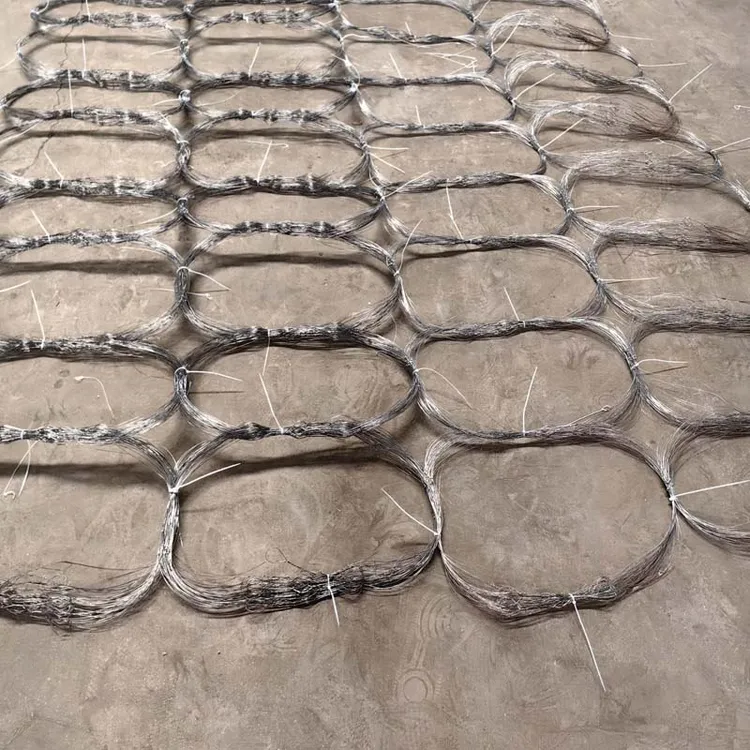
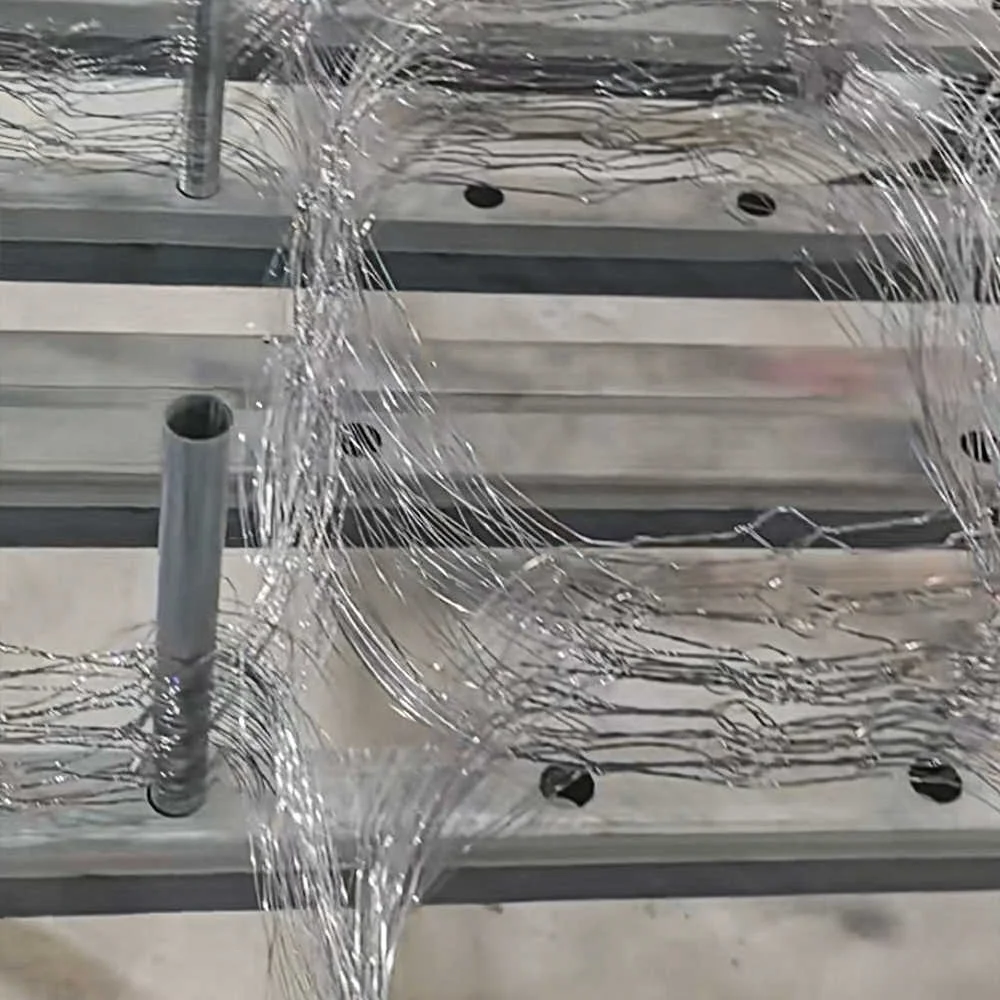
- Galvanized steel wire mesh — Used extensively for perimeter fencing, antitank obstacles, and vehicle barriers. Welded wire mesh panels offer high tensile strength, corrosion resistance, and rapid installation. The wire mesh fence category is particularly popular for forward operating bases due to its lightweight transport and quick setup.
- Reinforced concrete — Precast concrete barriers (Jersey barriers, T-walls, blast walls) provide heavy-duty protection against vehicle-borne improvised explosive devices (VBIEDs) and direct fire. These are typically used at fixed installations and checkpoints.
- Steel beams and Hesco bastions — Collapsible wire mesh containers filled with sand, gravel, or soil. These barriers have become the standard for force protection in theater due to their excellent blast attenuation and ease of transport.
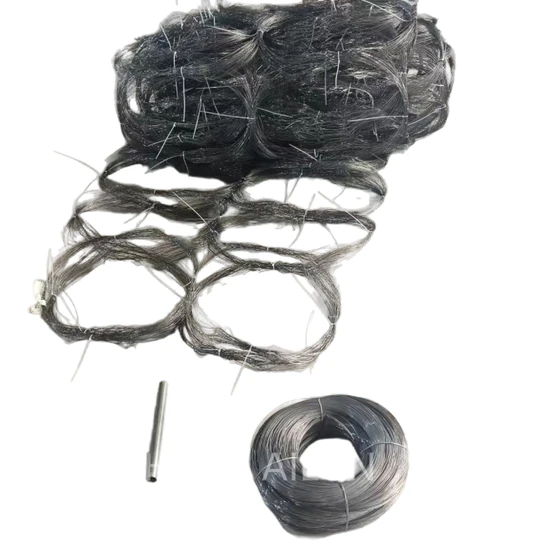
- Concertina and razor wire — Deployed as supplementary anti-personnel obstacles atop walls or along perimeter fences to deter and delay infantry assaults.
- Composite materials — Emerging technologies include fiber-reinforced polymers and modular ballistic panels that combine light weight with high protective capability.
Each material category offers distinct trade-offs between protection level, cost, transport weight, installation time, and logistical footprint. Understanding these trade-offs is essential for selecting the right defensive barrier solution for a given mission profile.
Deployment Strategies for Military Defensive Barriers
Understanding how military defensive barriers are deployed is critical for mission success. Deployment strategies vary dramatically based on whether the barrier is intended for a temporary tactical position, a sustained operational base, or a permanent strategic installation. The deployment methodology directly impacts force protection, mobility, and logistics.
Rapid Deployment for Tactical Operations
In tactical scenarios, speed is paramount. Units must establish defensive perimeters within minutes to hours. Key rapid-deployment methods include:
- Pre-assembled modular panels — Welded wire mesh fence sections with integrated posts that can be erected by a small team without specialized equipment. These systems are typically transported flat on vehicles and deployed in a concertina-like fashion.
- Rapid excavation systems — Hydraulic augers and pneumatic post drivers enable quick installation of fence posts even in hard or frozen ground. Some modern systems combine post driving with wire unspooling in a single pass.
- Helicopter-slung deployment — Heavy barrier components, including Hesco bastions and concrete blocks, can be airlifted into inaccessible terrain for mountain or urban operations.
- Vehicle-mounted dispensers — Armored engineering vehicles equipped with barrier-dispensing modules can lay continuous wire mesh or concrete barrier lines under fire, providing instant protected channels.
Permanent Perimeter Installation
For semi-permanent and permanent installations, deployment strategies prioritize structural integrity and multi-layered defense:
- Multi-zone perimeter design — A typical permanent installation uses three concentric zones: an outer warning zone (sensors and signs), a middle denial zone (wire mesh fence and antitank ditches), and an inner protection zone (reinforced concrete walls and blast barriers).
- Foundation engineering — Permanent barriers require proper footing design, including reinforced concrete foundations, drainage systems, and anti-tunneling measures such as buried sensor mats or deep footings.
- Integration with electronic systems — Modern permanent barriers incorporate fiber-optic disturbance sensors, thermal cameras, radar, and automated response systems that trigger when the defensive barrier is compromised.
- Redundant access control — Vehicle and personnel entry points are designed with sally ports, vehicle traps, and blast-rated gates that maintain security while allowing controlled passage.
Whether deploying for a 72-hour tactical mission or a decade-long base defense, the principles of military defensive barriers deployment remain consistent: assess the threat, match the barrier system to the risk, and ensure the logistics chain can sustain the emplacement.
Concrete vs Wire Mesh Military Defensive Barriers
One of the most common procurement debates in military engineering is concrete vs wire mesh military defensive barriers. Each material category offers distinct advantages and limitations that make it suitable for different operational requirements. Understanding these differences is essential for making informed procurement and deployment decisions.
| Criteria | Concrete Barriers | Wire Mesh Barriers |
|---|---|---|
| Blast Resistance | Excellent — stops VBIEDs, withstands artillery fragments | Moderate — stops small arms, provides fragmentation protection |
| Transport Weight | Heavy — requires flatbed trucks, cranes | Light — can be transported on light vehicles, even by hand |
| Installation Time | Days to weeks (requires curing for cast-in-place) | Hours (modular panels, no curing required) |
| Cost per Linear Meter | High ($200–$800) | Moderate ($50–$200) |
| Mobility | Fixed — difficult to relocate once placed | Relocatable — panels can be disassembled and moved |
| Visibility / Observation | Blocks line of sight completely | Allows observation through mesh (see-through defense) |
| Maintenance | Low — concrete is durable but cracks under extreme stress | Moderate — requires tension adjustment, corrosion inspection |
Concrete barriers are the preferred choice for high-threat fixed installations such as embassies, permanent military bases, national border checkpoints, and critical infrastructure protection. They provide unmatched protection against vehicle-borne explosives and direct fire. However, their weight and logistical footprint make them unsuitable for rapid maneuver operations.
Wire mesh barriers dominate the expeditionary and tactical market. The military defensive barriers - wire mesh fence configuration offers an excellent balance of protection, portability, and cost. Modern welded mesh panels can be manufactured to meet ballistic resistance standards while remaining light enough for helicopter transport. Wire mesh also allows defenders to maintain visual observation of the approach — a critical tactical advantage.
For most military applications, the optimal solution is a layered approach: wire mesh barriers for the outer perimeter (providing early detection and delay) backed by concrete or Hesco barriers at critical points (command posts, ammunition storage, medical facilities).
Heavy-Duty Military Defensive Barriers for Enhanced Protection
For high-threat environments where standard fencing is insufficient, heavy-duty military defensive barriers for enhanced protection provide the necessary level of security. These systems are designed to withstand sustained attack, including vehicle ramming, explosive breaching, and direct fire from heavy weapons.
Heavy-duty wire mesh systems represent a significant upgrade over standard perimeter fencing. These barriers typically feature:
- Thicker wire gauges — 8mm to 12mm diameter galvanized steel wire, compared to 3–5mm in standard fencing
- Smaller mesh apertures — 50mm x 50mm or smaller, preventing climbing and cutting tool insertion
- Reinforced framework — Heavy-gauge steel posts set in concrete footings, with additional bracing at corners and gate openings
- Anti-climb and anti-cut features — Razor wire toppings, tension cables, and buried anti-tunneling extensions
- Ballistic-rated panels — Some heavy-duty mesh systems incorporate armor plate inserts or are manufactured from ballistic steel capable of stopping 7.62mm and .50 caliber rounds
Vehicle barrier systems are another critical subcategory. These include:
- Hydraulic road blockers — Rising wedge barriers that can stop a 15-ton truck traveling at 80 km/h
- Bollard systems — Retractable steel bollards rated for K12 impact (30,000 lbs at 50 mph)
- Antitank ditches and berms — Earth-moving solutions combined with wire mesh reinforcement to prevent vehicle crossing
- Beam barriers — Horizontal steel beams mounted on sliding or pivoting foundations
When evaluating heavy-duty options, military engineers must consider the full threat spectrum. A barrier that stops small arms but fails against a VBIED creates a false sense of security. Certification against recognized standards — such as ASTM F2656 (vehicle impact) or NIJ 0108.01 (ballistic resistance) — provides objective performance benchmarks.
These heavy-duty systems are significantly more expensive than standard barriers, but for critical assets such as ammunition depots, command centers, and airfields, the investment in enhanced protection is justified by the value of the protected assets and personnel.
NATO Standards for Defensive Barriers
Military forces operating within the NATO framework must comply with established NATO standards for defensive barriers. These standards ensure interoperability between allied forces, minimum protection levels, and consistent engineering practices across multinational operations. Understanding these standards is essential for procurement officers and military engineers working in coalition environments.
Key NATO standardization agreements (STANAGs) relevant to defensive barriers include:
- STANAG 2280 — Design and construction of protective structures for ammunition and explosive storage. This standard specifies barrier wall thickness, standoff distances, and fragmentation protection requirements.
- STANAG 2324 — The NATO standard for the "minimum standards of protection for operational logistics." It defines perimeter security requirements including barrier heights, materials, and breach detection.
- STANAG 4569 — Protection levels for occupants of logistic and light armored vehicles. While focused on vehicles, this standard informs the ballistic resistance requirements for fixed barriers protecting vehicle parks and maintenance areas.
- AASTP-5 — NATO guidelines for the storage of military ammunition and explosives. This comprehensive document includes specific requirements for perimeter defensive barrier systems at munitions sites.
- NATO AJP-3.14 — Allied joint doctrine for force protection. This framework document establishes the risk management approach that drives barrier selection decisions, including threat assessment methodologies and vulnerability analysis.
Compliance requirements vary by facility type and threat level. For a typical NATO Forward Operating Base (FOB), the minimum defensive barrier specifications include:
- Perimeter barriers at least 2.4 meters in height with anti-climb toppings
- Clear zone of 20–50 meters on both sides of the barrier (cleared of vegetation and obstacles)
- Vehicle barriers capable of stopping a 7.5-ton truck at 50 km/h at entry control points
- Integrated intrusion detection systems with layered sensor coverage
- Standoff distances from critical assets calculated based on explosive threat size
NATO standards are updated regularly based on operational lessons learned. The conflicts in Afghanistan and Iraq, for example, drove significant revisions to barrier standoff requirements as the VBIED threat evolved. Military engineers should always consult the latest STANAG revisions before specifying barrier systems for coalition operations.
Best Military Defensive Barriers for Perimeter Security
Selecting the best perimeter security barriers requires a systematic evaluation of threat levels, operational tempo, environmental conditions, and budget constraints. There is no one-size-fits-all solution — the optimal barrier for a mountain outpost is different from the ideal solution for a naval base or an airfield perimeter.
For high-threat expeditionary bases, the best approach combines multiple barrier types in a layered defense:
- Outer layer (100–200m from perimeter): Anti-vehicle ditches, tire shredders, and warning signs. These deny standoff and channel approaching vehicles into engagement areas.
- Middle layer (10–50m from perimeter): Heavy-duty wire mesh fence (8mm+ wire, 50mm aperture) with concertina topping and buried anti-tunneling skirts. This is the primary physical barrier that must delay intruders for 3–5 minutes minimum.
- Inner layer (immediate perimeter of critical assets): Reinforced concrete blast walls or Hesco bastions providing protection against VBIEDs and direct fire. Entry points are protected by vehicle traps and blast-rated gates.
For low-to-medium threat environments, such as logistics hubs in permissive areas, a single-layer wire mesh fence with intrusion detection may be sufficient. This solution is particularly well-suited for these scenarios because it provides effective denial while allowing visual surveillance, reducing the number of guard posts required.
Key selection criteria for perimeter security barriers:
- Threat-specific certification — Choose barriers certified against the specific threats you face (ballistic, blast, vehicle impact)
- Environmental resistance — Coastal bases require corrosion-resistant materials; desert bases need sand-abrasion-resistant coatings; arctic bases require cold-weather-rated steel
- Rapid repair capability — Any barrier can be breached; choose systems that can be repaired quickly with on-hand materiel and tools
- Integration compatibility — The best barriers integrate seamlessly with sensors, cameras, lighting, and access control systems
- Lifecycle cost — A cheaper barrier that requires frequent replacement or high maintenance may cost more over a 10-year period
Ultimately, the best perimeter security barriers are those that meet the specific threat, can be sustained by the logistics chain, and are properly integrated into a comprehensive security system that includes surveillance, response forces, and command-and-control procedures.
Cost and Suppliers of Military Defensive Barriers
Pricing and supplier selection are critical factors in the procurement lifecycle. Barrier costs vary dramatically based on material, specification, certification level, and quantity. Understanding typical price ranges and reputable suppliers helps military procurement officers make informed purchasing decisions.
Typical price ranges by barrier type (per linear meter, FOB/FCA pricing):
| Barrier Type | Price per Linear Meter | Typical Lead Time |
|---|---|---|
| Standard wire mesh fence (3–5mm wire) | $50–$120 | 2–4 weeks |
| Heavy-duty wire mesh fence (8–12mm wire) | $120–$250 | 4–8 weeks |
| Ballistic-rated mesh panels | $200–$400 | 8–12 weeks |
| Precast concrete barriers (Jersey/T-wall) | $200–$800 | 4–12 weeks |
| Hesco bastion units (collapsible) | $80–$200 | 3–6 weeks |
| Hydraulic vehicle blockers | $5,000–$25,000 per unit | 8–16 weeks |
Key factors affecting price include:
- Material grade — Galvanized steel (hot-dip vs. electro-galvanized), stainless steel, or weathering steel (Corten) significantly impact cost and corrosion resistance
- Certification — Barriers certified against NATO STANAG, ASTM, or NIJ standards command premium pricing due to testing costs and quality control requirements
- Quantity — Bulk orders (10,000+ linear meters) typically receive 15–30% discounts compared to small-scale procurement
- Shipping and logistics — Remote or hostile delivery locations can double the landed cost due to security escorts, special handling, and insurance
Reputable suppliers of military-grade barriers include:
- Anping County wire mesh manufacturers (China) — Major producers of heavy-duty welded mesh panels, concertina wire, and vehicle barriers. Anping is the global hub for wire mesh production, offering competitive pricing for bulk military-grade fencing.
- European defense contractors — Companies specializing in NATO-certified barrier systems with full documentation packages for STANAG compliance.
- US-based force protection suppliers — Providers of Hesco barriers, concrete barrier systems, and integrated perimeter security solutions with US military (DLA) contracts.
- Middle Eastern manufacturers — Regional suppliers that understand desert-environment requirements and offer reduced shipping costs for Middle Eastern and African deployments.
When evaluating pricing and suppliers, procurement officers should request samples, inspect manufacturing facilities when possible, and verify certifications through independent testing laboratories. Price should never be the sole determining factor — reliability, certification validity, and after-sales support are equally important for mission-critical barrier systems.
Conclusion
Military defensive barriers are a fundamental component of modern force protection and perimeter security. From the lightweight wire mesh fence deployed in hours by a four-person team to the multi-ton concrete blast wall protecting a permanent command center, choosing the right system can mean the difference between mission success and catastrophic loss.
This article has examined the key considerations for selecting, deploying, and maintaining defensive barrier systems:
- Materials matter — Understanding what these barriers are made of — from galvanized wire mesh to reinforced concrete and composite materials — enables engineers to match protective properties to threat profiles.
- Deployment strategy determines effectiveness — How barrier systems are deployed — rapid tactical emplacement vs. permanent engineered installation — must align with operational tempo and threat evolution.
- Certification and standards are non-negotiable — NATO standards for perimeter defense provide the benchmark for interoperability and minimum protection levels across coalition operations.
- Concrete and wire mesh serve different roles — The concrete vs wire mesh comparison reveals that each material has a distinct place in a layered defense architecture.
- Cost must be balanced against capability — Pricing and supplier options vary widely, but lifecycle cost — not just unit price — should drive procurement decisions.
- Heavy-duty solutions protect critical assets — Enhanced protection barrier systems are essential for high-value targets and high-threat environments.
As warfare evolves — with increasing use of drones, precision munitions, and hybrid tactics — barrier technology continues to advance. Emerging trends include smart barriers with embedded sensors, modular composite panels that combine ballistic protection with lightweight transport, and rapidly deployable systems that can be emplaced by autonomous vehicles. Military engineers and procurement professionals who stay current with these developments will be best positioned to select the optimal perimeter security solutions in the years ahead.
Whether your requirement is for a tactical forward operating base, a permanent strategic installation, or a humanitarian assistance mission, the principles outlined in this guide will help you make informed decisions about defensive barrier selection, deployment, and lifecycle management.
![Anti-Tank Barriers Buyer's Guide: Types, Costs & Military Procurement [2026]](/images/anti-tank-barriers-hero.webp)