Introduction
Anti-tank barriers have been a cornerstone of military defensive strategy for nearly a century. From the dragon's teeth of the Siegfried Line to the Czech hedgehogs scattered across Normandy's beaches, these obstacles have proven their value in slowing, channeling, and stopping armored advances. For defense procurement officers and military contractors, understanding the full spectrum of anti-tank barriers — their types, materials, and deployment methods — is essential for making informed acquisition decisions.
This comprehensive guide examines the major categories of anti-tank barriers, compares the materials used in their construction, and explains how modern military forces deploy these obstacles in the field. Whether you are evaluating permanent fortification systems or seeking temporary, rapidly emplaced solutions, this article provides the technical and operational context you need.
We will cover everything from concrete dragon's teeth and steel hedgehogs to anti-tank ditches and modern modular systems, answering key questions about what these barriers are made of, how they differ from anti-personnel obstacles, and how effective they remain in contemporary combined-arms warfare.

What Are Anti-Tank Barriers?
Anti-tank barriers are military defensive obstacles specifically designed to stop, delay, or channel armored fighting vehicles (AFVs), main battle tanks, and other mechanized forces. Unlike anti-personnel barriers — which target individual soldiers with wire obstacles, mines, or small-scale impediments — anti-tank barriers are engineered to withstand the massive weight, torque, and momentum of multi-ton armored vehicles.
The fundamental difference lies in scale and engineering requirements. Anti-personnel barriers such as concertina wire or wooden stakes can be breached by a single soldier with basic tools. Anti-tank barriers, by contrast, must resist vehicles weighing 40–70 tons traveling at combat speeds. This demands robust materials, substantial anchoring, and geometric configurations that exploit a tank's physical vulnerabilities — particularly its ground clearance, track system, and belly armor.
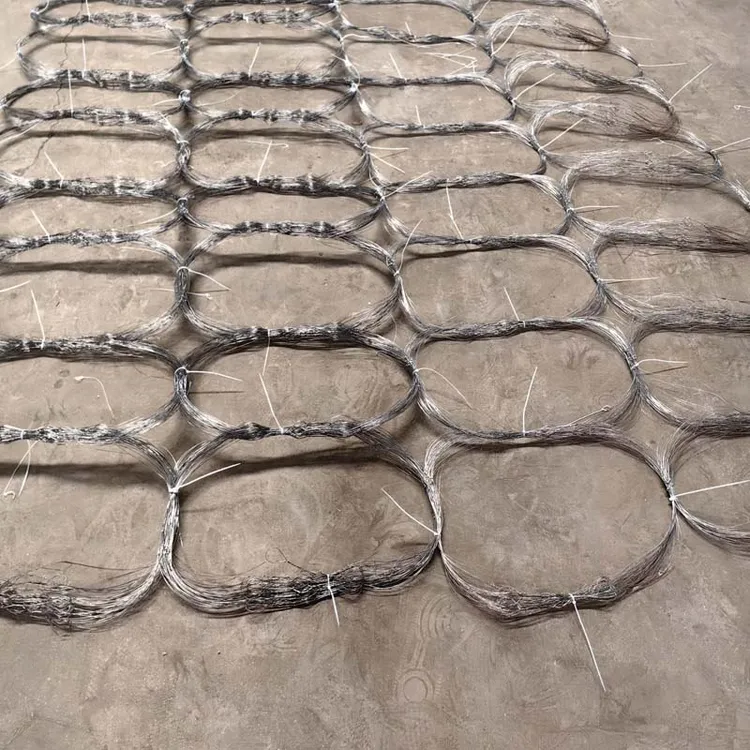
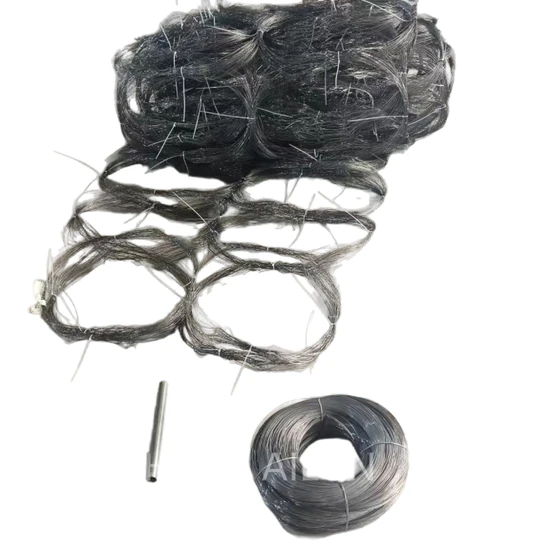
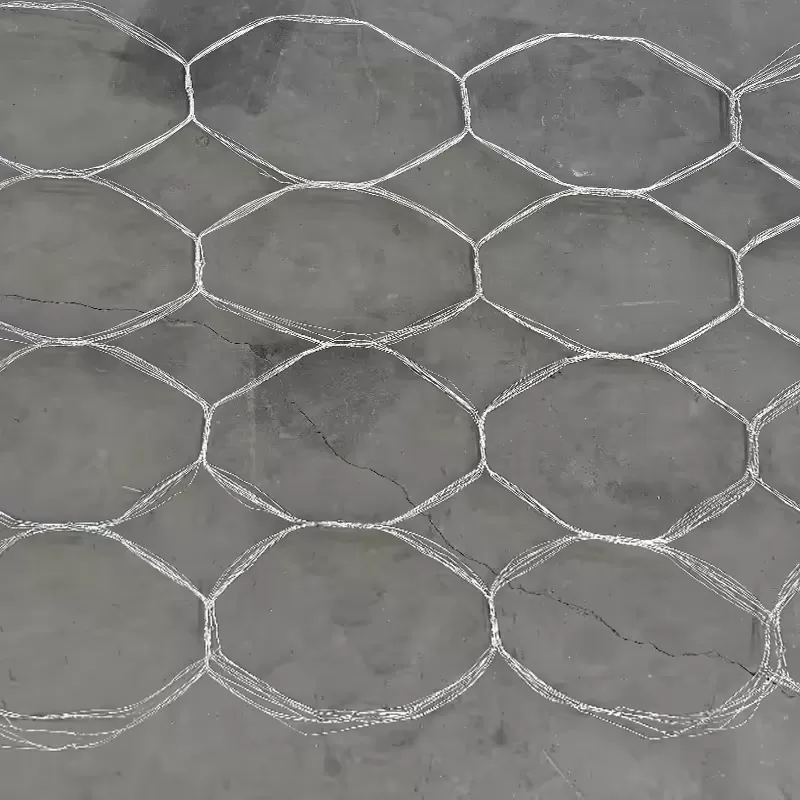
Common terms for these obstacles include anti-tank barriers, anti-tank obstacles, tank barriers, tank traps, and obstacle net (defense jargon). Wire-based variants are also referred to as tank trap netting in NATO markets. While the terminology varies by region and era, the core function remains consistent: deny or delay armored penetration of a defensive position. Tank traps in particular refer to pits, ditches, or concealed excavations designed to trap or disable a vehicle by causing it to fall into a void it cannot escape.
The primary mechanism of anti-tank barriers falls into three categories:
- Vertical obstruction: Barriers that present a wall or steep face exceeding the vehicle's climbing or fording capability.
- Structural penetration: Barriers with pointed or reinforced projections that can pierce underbelly armor or damage track systems.
- Mobility kill: Barriers designed to immobilize a vehicle by entrapment, track destruction, or suspension damage.
Understanding these mechanisms is critical when selecting the appropriate barrier type for a specific defensive requirement.
History of Anti-Tank Barriers in Military Defense
The history of anti-tank barriers traces directly to the emergence of the tank on the battlefields of World War I. The first dedicated anti-tank obstacles appeared in 1917–1918 as simple trenches widened to trap British Mark IV and German A7V tanks. However, it was during the interwar period and World War II that anti-tank barrier technology matured into a distinct engineering discipline.
World War II (1939–1945) represents the golden age of anti-tank barrier development. Germany constructed the Westwall (Siegfried Line) using thousands of concrete dragon's teeth — pyramid-shaped obstacles arranged in dense, staggered rows that remain the iconic image of anti-tank barriers to this day. The Czech hedgehog, a steel cross-beam structure originally designed in Czechoslovakia, was mass-produced and deployed on every major front. On the beaches of Normandy, the German Army emplaced a dense belt of hedgehogs, Belgian gates, and wooden stakes tipped with mines.
Cold War era (1947–1991) saw the standardization of anti-tank barriers across NATO and Warsaw Pact forces. Both sides developed prefabricated concrete barrier systems for rapid deployment along anticipated armor corridors. The Fulda Gap in Germany became one of the most heavily fortified anti-tank barrier zones in history, with layered belts of dragon's teeth, anti-tank ditches, and minefields designed to slow a Soviet armored thrust.
In the post-Cold War period, the role of anti-tank barriers evolved. While large-scale static fortifications declined, modular and rapidly deployable systems gained favor for peacekeeping, urban operations, and asymmetric conflicts. Modern conflicts in Ukraine and the Middle East have renewed interest in anti-tank barriers as a cost-effective counter to armored threats, particularly when combined with precision anti-tank guided missiles (ATGMs).
Today, the history of these barriers informs ongoing research into lightweight composite materials, modular interlocking systems, and smart obstacles integrated with surveillance sensors. The lessons of past defensive lines continue to shape modern military engineering doctrine.
Types of Anti-Tank Barriers Used by Modern Militaries
Modern militaries employ a wide variety of anti-tank barriers, each optimized for specific terrain, threat levels, and deployment timelines. Understanding the types available is essential for procurement and field planning.
Concrete Dragon's Teeth
Dragon's teeth are pyramid-shaped concrete obstacles, typically 36–48 inches in height, arranged in staggered rows across a defensive belt. Their tapered geometry forces tanks to either climb at a severe angle—exposing their vulnerable underbelly armor—or attempt to push through, risking track damage. Dragon's teeth are among the most durable anti-tank barriers, with a service life measured in decades. They were used extensively in the Siegfried Line and remain in production for modern defensive applications.
Steel Hedgehogs and Czech Hedgehogs
The Czech hedgehog is a steel anti-tank barrier constructed from three I-beam or rail sections welded at their centers to form a six-pointed star. When deployed, three legs rest on the ground while three point upward. The hedgehog functions by wedging under a tank's hull, lifting the tracks off the ground and immobilizing the vehicle. These are among the most recognizable anti-tank barriers, known for their low cost, simplicity, and ease of transport. Modern variants use high-strength steel alloys for improved weight-to-strength ratios.
Anti-Tank Ditches and Tank Traps
Anti-tank ditches are excavated trenches with dimensions specifically calculated to exceed a tank's trench-crossing capability. A standard main battle tank can cross a gap of approximately 8–10 feet; ditches are dug to widths of 12–20 feet with vertical or reinforced sides. Tank traps are a broader category that includes camouflaged pits, steep-walled excavations, and reinforced depressions designed to trap or disable an armored vehicle. The term also encompasses other anti-tank barriers that use entrapment as their primary mechanism. These can be combined with water saturation to create bogging conditions that no vehicle can cross.
Belgian Gates and Cointet Elements
Belgian gates (also known as Cointet elements) are large steel-frame barriers, typically 10 feet wide and 6–9 feet tall, constructed from steel beams arranged in a grid pattern. They were used extensively during World War II and remain in some modern inventories. Belgian gates are effective because their open grid structure is too wide for a tank to push through without becoming entangled, yet the steel members resist crushing by vehicle weight.
Concrete Barrier Walls and Jersey Barriers
Modern concrete barrier systems, including modified Jersey barriers, are increasingly used as anti-tank barriers. When deployed in multiple rows or stacked configurations, these barriers present a vertical face that most armored vehicles cannot climb or breach. Portable concrete barrier systems allow rapid field assembly without specialized equipment.
Below is a comparison of the most common anti-tank barrier types and their key characteristics:
| Type | Material | Weight | Deployment Time | Primary Mechanism |
|---|---|---|---|---|
| Dragon's Teeth | Reinforced concrete | 2–8 tons each | Slow (cast in place) | Structural penetration |
| Czech Hedgehog | Steel I-beam / rail | 300–800 lbs | Rapid (prefabricated) | Hull lifting / track damage |
| Anti-Tank Ditch | Earth / reinforced sides | N/A (excavated) | Moderate (excavation) | Gap crossing failure |
| Belgian Gate | Steel frame | 1,000–2,000 lbs | Rapid (prefabricated) | Entanglement / crushing resistance |
| Jersey Barrier (multi-row) | Reinforced concrete | 4–8 tons each | Rapid (modular) | Vertical face obstruction |
Materials Used in Anti-Tank Barrier Construction
The choice of construction material for anti-tank barriers is a critical procurement decision that directly affects cost, durability, deployment logistics, and overall effectiveness. The three primary material categories used in modern anti-tank barriers are reinforced concrete, structural steel, and earthwork.
Reinforced Concrete
Reinforced concrete is the predominant material for permanent anti-tank barriers. Concrete dragon's teeth, barrier walls, and modern modular blocks are typically cast from high-strength concrete (40–60 MPa compressive strength) with steel rebar reinforcement. The advantages include exceptional durability (50+ year lifespan), resistance to blast effects, and minimal maintenance requirements. Concrete anti-tank barriers can be cast in situ for permanent emplacements or precast in factories for modular field assembly. The principal disadvantage is weight — a single dragon's tooth can weigh 2–8 tons, requiring heavy transport and lifting equipment.
Structural Steel
Steel is the material of choice for portable and rapidly deployable anti-tank barriers. Czech hedgehogs, Belgian gates, and modern steel beam obstacles are fabricated from structural steel I-beams, railroad rails, or heavy-gauge pipe. Steel anti-tank barriers offer the best strength-to-weight ratio of any barrier material. A standard Czech hedgehog fabricated from steel I-beams weighs 300–800 pounds and can be emplaced by a small crew or light vehicle. Steel barriers are also recyclable and can be repaired by welding. The primary concern is corrosion — galvanized or weather-resistant steel grades are recommended for extended field deployment.
Earthwork and Berms
Anti-tank ditches and berms use earthwork as their primary material. While excavation requires no raw material procurement cost, the engineering standards are exacting. A proper anti-tank ditch must have a width exceeding the crossing capability of the target vehicle (typically 12–20 feet) and a depth sufficient to prevent bridging by earthmoving equipment. Berms (raised earthen mounds) function as anti-tank barriers by presenting a slope too steep for tracked vehicles to climb. The effectiveness of earthwork barriers depends on soil type, compaction, and drainage. Clay soils provide excellent stability, while sandy soils require reinforcement with geotextiles or gabion baskets.
Composite and Emerging Materials
Recent developments in anti-tank barrier materials include ultra-high-performance concrete (UHPC) for reduced section thickness, fiber-reinforced polymers (FRP) for lightweight panel systems, and modular interlocking composite systems that combine concrete bases with steel penetration elements. These emerging materials offer improved logistics efficiency while maintaining the barrier performance required for modern military applications.
| Material | Durability | Weight | Cost per Unit | Deployment Speed | Best Application |
|---|---|---|---|---|---|
| Reinforced Concrete | 50+ years | High (2–8 tons) | Medium–High | Slow (cast) / Medium (precast) | Permanent defenses |
| Structural Steel | 20–40 years (galvanized) | Low (300–2,000 lbs) | Medium | Rapid | Rapid deployment / mobile operations |
| Earthwork | Variable (weather-dependent) | N/A (in situ) | Low (excavation only) | Moderate | Field fortifications / barriers combined with terrain |
| UHPC / FRP Composite | 30–50 years | Medium | High | Rapid (modular) | Specialized / rapid-response units |
Permanent vs. Temporary Anti-Tank Barriers
A fundamental distinction in anti-tank barrier procurement is whether the defensive requirement calls for permanent or temporary obstacles. Each category carries different design specifications, cost profiles, and logistical implications.
Permanent anti-tank barriers are fixed installations designed for multi-decade service. These include cast-in-place concrete dragon's teeth, reinforced concrete barrier walls, and large-scale anti-tank ditch systems integrated into national defense infrastructure. Permanent barriers are characterized by:
- Reinforced concrete or heavily treated steel construction
- Foundations engineered for long-term soil stability and frost resistance
- Integration with other defensive infrastructure (minefields, bunkers, observation posts)
- Higher upfront cost but lower lifecycle maintenance
- Typical service life of 30–50+ years
Permanent barriers are most cost-effective when defending strategic chokepoints such as mountain passes, river crossing sites, border fortifications, and key terrain features where the defensive requirement is enduring.
Temporary anti-tank barriers are designed for rapid emplacement and eventual removal. These include prefabricated steel hedgehogs, modular concrete blocks, portable barrier systems, and expedient earthwork. Temporary barriers are characterized by:
- Prefabricated construction for rapid transport and field assembly
- Modular or interlocking designs that require no special foundations
- Lower unit cost with potential for reuse after redeployment
- Deployment timelines measured in hours to days rather than weeks
- Service life of months to a few years
The choice between permanent and temporary anti-tank barriers depends on the threat assessment, operational timeline, and budget. In modern expeditionary operations, temporary barriers are generally preferred because they support rapid force projection and can be redeployed as the tactical situation evolves. However, for sovereign defense of national borders and critical infrastructure, permanent anti-tank barriers remain the standard solution.
Some defense programs adopt a hybrid approach — installing permanent foundations at fixed defensive positions while maintaining a stockpile of temporary barriers for rapid augmentation when threat levels increase. This layered strategy optimizes both cost and responsiveness.
How Anti-Tank Barriers Are Deployed in the Field
Deploying anti-tank barriers in the field requires careful planning, precise engineering, and integration with the overall defensive scheme. Military engineers follow established doctrine to ensure barriers achieve their intended tactical effect.
Terrain Analysis and Barrier Siting. The first step in deploying anti-tank barriers is terrain analysis. Engineers identify armor approaches — the routes a mechanized force would most likely use to advance. These include valleys, road networks, dry riverbeds, and open plains. Anti-tank barriers are sited to block or channel armor into engagement areas where anti-tank weapons (ATGMs, tank destroyers, or attack helicopters) can engage with maximum effect. A key principle is that barriers should never be left uncovered by direct fire; bypassed barriers can be demolished from the rear.
Barrier Belt Composition. A properly designed anti-tank barrier belt consists of multiple layers. The forward layer typically includes temporary or rapidly emplaced obstacles (steel hedgehogs, portable concrete blocks) to disrupt the enemy's breaching plan. The main defensive belt uses heavier anti-tank barriers (dragon's teeth, reinforced walls, wide ditches) backed by direct-fire positions. Rear barriers serve as final protective obstacles to prevent exploitation of a penetration. The total depth of a barrier belt can range from 100 meters for a hasty defense to several kilometers for a prepared fortified zone.
Emplacement Sequence. Field deployment follows a standard sequence:
- Reconnaissance: Engineer reconnaissance teams mark barrier trace lines and verify soil conditions.
- Preparation: Ground is leveled if necessary; foundation trenches may be dug for permanent barriers.
- Emplacement: Barriers are positioned according to the defensive plan, with staggered or offset patterns to prevent a straight-line approach.
- Camouflage: Temporary barriers should be camouflaged with local materials. Permanent barriers may be painted or textured to blend with terrain.
- Integration: Minefields, wire obstacles, and firing positions are integrated with the barrier line.
- Testing: Representative sections are tested for structural integrity and dimensional compliance.
Logistics Considerations. The logistical footprint of anti-tank barrier deployment is substantial. A single kilometer of dragon's teeth barrier requires approximately 1,000–1,500 individual teeth, requiring 50–80 truckloads for delivery. Steel hedgehog barriers are more logistics-efficient, with a single flatbed truck carrying 40–60 units. For expeditionary operations, the weight and cube of barrier materials must be factored into the overall lift requirement.
Breaching Countermeasures. Defense planners must also consider enemy breaching capabilities. Modern engineer units can breach anti-tank barriers using demolitions, armored breaching vehicles (such as the M1 ABV or M1150 Assault Breacher Vehicle), and line charges (MICLIC). Therefore, anti-tank barriers are most effective when covered by direct fire, integrated with minefields, and designed with depth and redundancy. Layering multiple barrier types — for example, a hedgehog belt in front of a dragon's teeth line, backed by an anti-tank ditch — makes breaching significantly more difficult and time-consuming.
Effectiveness of Anti-Tank Barriers in Modern Warfare
In an era of precision-guided munitions, drones, and network-centric warfare, a legitimate question arises: are anti-tank barriers still relevant? The evidence from recent conflicts strongly suggests that they remain a vital component of modern defensive operations.
Force Multiplication. Anti-tank barriers provide one of the most cost-effective force multipliers available to defense planners. A defensive line of concrete dragon's teeth or steel hedgehogs costs a fraction of the armored vehicles it can stop. When a single main battle tank costs $4–12 million, a barrier system that can channel, delay, or disable multiple attacking vehicles represents exceptional return on investment. This cost dynamic is particularly relevant for smaller nations facing a numerically superior armored threat.
Impact on Modern Battlefields. The 2022–2026 conflict in Ukraine has demonstrated the enduring effectiveness of anti-tank barriers. Both defensive and offensive forces have employed extensive barrier belts to shape the battlefield. Ukrainian forces used layered anti-tank barriers combined with ATGM teams to stop Russian armored columns in the early phases of the war. The barriers forced Russian vehicles to concentrate in predictable kill zones, exposing them to precision fires. Conversely, Russian forces employed their own anti-tank barriers to protect flanks and consolidate defensive positions.
Limitations and Countermeasures. No anti-tank barrier is impenetrable. Modern breaching techniques include:
- Demolition breaching: Shaped charges and explosive line charges can clear paths through dense barrier belts.
- Mechanical breaching: Armored engineering vehicles with dozer blades, rakes, or mine plows can push aside or destroy certain barrier types.
- Bridging: Assault bridges and fascine layers can cross anti-tank ditches.
- Overwhelming force: Sustained artillery preparation can crater and disrupt barrier lines.
The effectiveness of anti-tank barriers therefore depends on integration with fires, depth of the defensive zone, and the ability to rapidly repair or reinforce breached sections.
Force Protection for Barrier Installation Crews. When anti-tank barriers are deployed under combat conditions, the personnel installing them face significant risk from indirect fire and sniper threats. This has driven interest in remotely emplaced barrier systems and autonomous deployment technologies that reduce soldier exposure.
Net Assessment. Anti-tank barriers remain highly effective when properly sited, covered by fire, and integrated into a comprehensive defensive plan. No barrier is a standalone solution, but as part of a combined-arms defensive system, anti-tank barriers significantly degrade an attacker's mobility, increase their casualty rate, and buy time for the defender to maneuver reserves. In the context of modern warfare, anti-tank barriers are not obsolete — they are as essential as ever.
Conclusion
Anti-tank barriers remain a critical element of military defensive engineering, offering proven capability to stop, delay, and channel armored forces across the full spectrum of conflict. From the concrete dragon's teeth of World War II fortifications to modern steel hedgehogs and modular concrete systems, these obstacles have evolved continuously to meet changing threats and operational requirements.
For defense procurement officers, the key takeaways are clear:
- Types: Choose from concrete dragon's teeth, steel hedgehogs, anti-tank ditches, Belgian gates, and modular wall systems — each optimized for different tactical scenarios.
- Materials: Reinforced concrete offers maximum durability for permanent defenses; structural steel provides rapid deployment and logistical efficiency for temporary or expeditionary operations.
- Deployment: Proper siting, layering, and integration with direct and indirect fires are essential for barrier effectiveness. Never deploy barriers as standalone solutions.
- Modern Relevance: Recent conflicts confirm that anti-tank barriers, when combined with precision anti-tank weapons and surveillance systems, remain highly effective against modern armored threats.
Whether your requirement is for a permanent national defense installation or a rapidly deployable expeditionary barrier system, understanding the full landscape of anti-tank barriers — their types, materials, and deployment methods — ensures that your procurement decisions are grounded in both historical lessons and contemporary operational realities.
For detailed specifications, pricing, and technical consultation on anti-tank barrier systems suitable for your defense requirements, contact our military engineering team. We provide comprehensive solutions from individual barrier units to complete defensive belt design and delivery.