Introduction
When military procurement officers and defense contractors evaluate force protection solutions, collapsible wire-mesh barriers are often the first solution considered. However, the defense market has evolved significantly, and a growing number of HESCO barrier alternatives now offer compelling advantages in cost, logistics, and tactical versatility for modern military operations.
This comprehensive guide examines the full landscape of alternative barrier systems available to military buyers in 2026. We compare leading products including low visibility anti-tank barrier nets, concrete barriers, steel anti-tank obstacles, gabion walls, and earth-filled barrier systems. For each alternative, we analyze effectiveness, deployment speed, cost per linear meter, and logistical footprint. Whether you are equipping a rapid response unit, fortifying a forward operating base, or managing defense infrastructure budgets, this comparison will help you make an informed procurement decision.
What Are HESCO Barriers and Why Seek Alternatives?
HESCO barriers, originally developed by HESCO Bastion Ltd., are modular gabion-like structures made from collapsible wire mesh and heavy-duty polypropylene fabric. When deployed, they form a rectangular container that is filled on-site with sand, gravel, or soil. A standard unit measures approximately 1.5m x 1.5m x 3.0m and weighs roughly 2,700 kg when filled. These barriers have been widely used by NATO forces in Iraq and Afghanistan for force protection, blast mitigation, and flood control.
Despite their proven track record, military buyers are increasingly exploring alternatives for several critical reasons:
- High unit cost: A single unit can cost between $200 and $500 depending on specifications, making large-scale deployments budget-intensive.
- Logistical burden: Each unfilled unit weighs approximately 50 kg and requires significant transport volume. A kilometer of wall requires hundreds of truckloads of fill material.
- Deployment time: Erecting and filling these barriers is labor-intensive, typically requiring 4-6 soldiers and heavy equipment for a single section.
- Limited reusability: Once filled and exposed to weather, the units degrade and are difficult to reposition or reuse.
- Visibility: Standard units are highly visible from aerial surveillance, making them unsuitable for covert or low-visibility operations.
These limitations have driven demand for alternative barrier systems that offer equivalent or superior protection at lower cost, with faster deployment, and with greater tactical flexibility.
Top HESCO Barrier Alternatives for Military Buyers
Based on our analysis of current defense procurement data and field performance reports, the following five categories represent the most viable alternatives for military buyers in 2026. To answer what are the best HESCO barrier alternatives, we have evaluated each option against critical military procurement criteria. Each offers distinct advantages depending on mission requirements, threat level, and budget constraints.
Low Visibility Anti-Tank Barrier Net
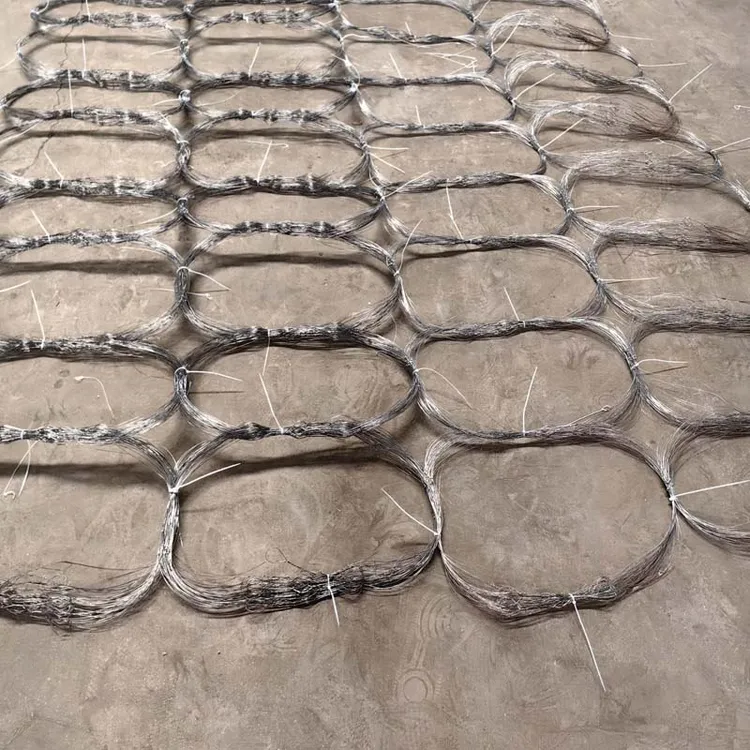
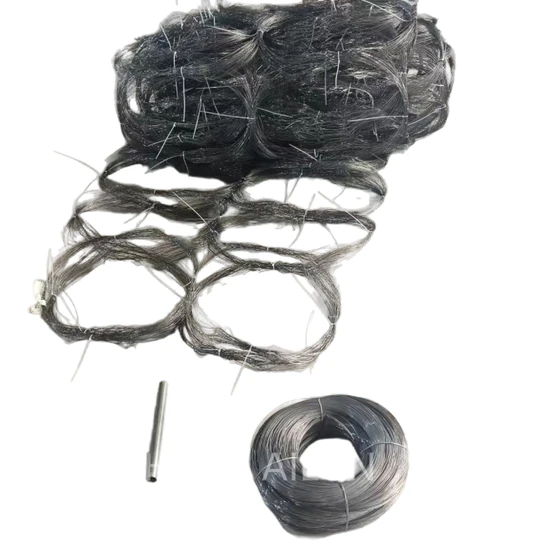
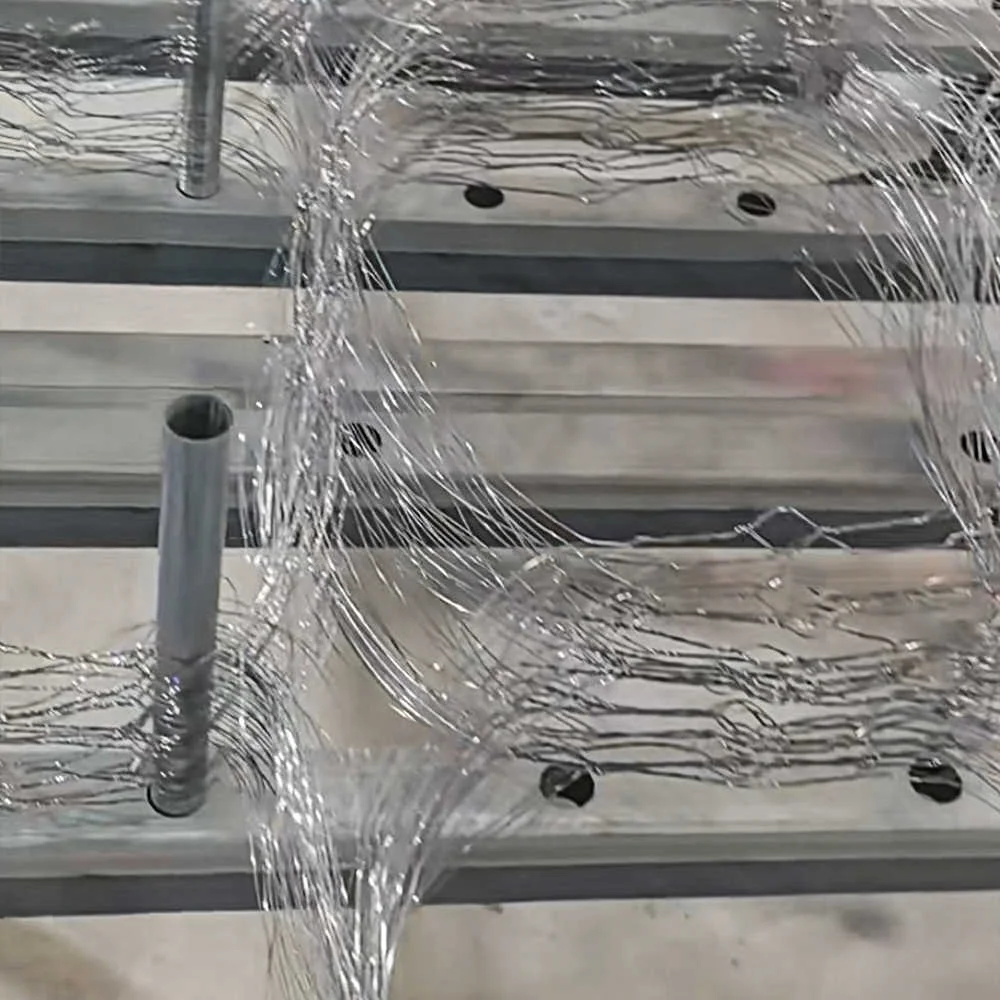
The Low Visibility Anti-Tank Barrier Net is one of the most innovative alternative systems on the market. Unlike bulky collapsible wire-mesh units, this system uses high-tensile steel mesh netting that is nearly invisible from aerial reconnaissance. The net is anchored to the ground with reinforced stakes and engineered to stop armored vehicles up to 60 tons at combat speeds. A thorough Low Visibility Anti-Tank Barrier Net vs Hesco Bastion Comparison reveals that the net system offers superior concealment, faster deployment, and lower logistics requirements for anti-tank missions. Key advantages include:
- Extremely low profile — net height under 30 cm when deployed
- Deployment by a 2-person team in under 10 minutes per 50-meter section
- Total weight under 15 kg per 10-meter roll
- Zero fill material required — no sand, gravel, or earth needed
- Reusable — can be retrieved, repacked, and redeployed multiple times
- Effective against MBTs, IFVs, and wheeled armored vehicles
This alternative is particularly well-suited for rapid-response units, special operations, and defensive positions requiring concealment from drones and satellite surveillance. For buyers seeking wholesale barrier options with stealth capabilities, the low visibility anti-tank net is a top contender and ranks among the best HESCO barrier alternatives for anti-armor missions.
Concrete Barriers and T-Walls
Precast concrete barriers, including Jersey barriers and T-walls, are among the most widely used options for fixed installations. These provide exceptional blast and ballistic resistance with a service life exceeding 20 years. Standard concrete barrier sections weigh 3,000-6,000 kg and cost $150-$400 per linear meter. A defensive barrier vs hesco barrier comparison for permanent installations often favors concrete due to its unlimited lifespan and superior blast performance. While heavier and less portable than other alternatives, concrete barriers offer permanent protection for high-value assets and base perimeters.
Steel Anti-Tank Barriers
Steel-based systems such as Czech hedgehogs, dragons teeth, and steel beam obstacles remain effective for anti-vehicle defense. Fabricated from repurposed or purpose-built steel sections, these barriers are extremely durable and can be produced locally. A standard Czech hedgehog weighs 200-450 kg and costs approximately $100-$250. Steel barriers excel in anti-tank applications but offer limited protection against infantry or blast fragmentation.
Gabion and Earth-Filled Barriers
Traditional gabion baskets and earth-filled barrier systems function similarly to wire-mesh fortifications but often at a lower Hesco barrier price point. Welded wire mesh gabions filled with local soil or rock provide comparable ballistic protection at 30-50% lower material cost. The trade-off is longer assembly time and reduced structural integrity under blast loading compared to reinforced systems. However, for low-threat environments or budget-constrained operations, gabions remain a practical choice.
HESCO Barrier Alternatives vs Original: Which Is Better?
This is the central question for every procurement officer: do HESCO barrier alternatives perform as well as the original? The answer depends heavily on the specific threat environment and operational requirements. A detailed defensive barrier vs hesco barrier analysis is essential before making procurement decisions.
Effectiveness Comparison Table:
| Criterion | Wire-Mesh Barrier | Low Visibility Net | Concrete Barrier | Steel Barrier | Gabion |
|---|---|---|---|---|---|
| Anti-tank capability | Good | Excellent | Excellent | Excellent | Moderate |
| Blast mitigation | Excellent | Poor | Excellent | Moderate | Good |
| Ballistic protection | Excellent | None | Excellent | Moderate | Good |
| Deployment speed | Slow | Very Fast | Very Slow | Moderate | Slow |
| Covert/stealth | Poor | Excellent | Poor | Poor | Poor |
| Reusability | Limited | Excellent | Permanent | Good | Limited |
| Cost per meter | $150-$350 | $80-$180 | $150-$400 | $80-$200 | $50-$150 |
Which option performs better in specific applications? For anti-tank defense specifically, the Low Visibility Anti-Tank Barrier Net outperforms conventional wire-mesh barriers in every metric except blast protection. Traditional wire-mesh systems remain superior for base perimeter defense where blast and ballistic protection are the primary concerns. The Low Visibility Anti-Tank Barrier Net vs Hesco Bastion Comparison clearly favors the net system for stealth missions and rapid deployment scenarios. For budget-conscious buyers looking for the lowest-cost option, gabion systems offer the lowest upfront cost at $50-$150 per meter, though with significant trade-offs in durability and deployment time.
Are alternative barrier systems as effective? Yes, in specific applications. The key is matching the alternative to the threat. No single barrier system excels in every category — the best HESCO barrier alternatives are those optimized for the specific mission profile.
Cost Analysis: HESCO Barrier Alternatives Pricing
Understanding how much do HESCO barrier alternatives cost is critical for defense budget planning. Below we break down the typical pricing structures for each major barrier alternative, including Hesco Barrier Wall Wholesale At Factory Price and bulk pricing where available.
Factory-Direct Barrier Pricing — For conventional wire-mesh barrier units, the standard Hesco barrier price from factory-direct channels typically ranges from $180-$350 per unit for standard 1.5m x 1.5m x 3.0m modules. Wholesale orders of 500+ units can reduce per-unit costs by 15-25%. However, the total cost of ownership must include fill material transport, which often doubles the effective cost per linear meter. When evaluating Hesco barrier for sale listings, always request total delivered cost including freight.
Pricing Breakdown by Alternative:
- Low Visibility Anti-Tank Barrier Net: $80-$180 per linear meter. No fill material required. Shipping weight under 2 kg per meter. Total installed cost is typically 40-60% lower when factoring in logistics and labor.
- Concrete Barriers (Jersey/T-Wall): $150-$400 per linear meter. High transport cost due to weight. Installation requires heavy equipment. Best value for permanent installations with a 20+ year lifespan.
- Steel Anti-Tank Barriers: $80-$200 per linear meter. Moderate transport cost. Can often be sourced locally from steel fabricators, reducing shipping expenses.
- Gabion and Earth-Filled Systems: $50-$150 per linear meter. Lowest material cost but highest labor requirement. Ideal when fill material is available on-site and labor costs are low.
For buyers seeking barrier products at competitive prices, the low visibility anti-tank net offers the most favorable cost-to-performance ratio for anti-vehicle defense. The Hesco Barrier Wall Wholesale At Factory Price for conventional units remains competitive for large-scale base perimeter projects. When comparing different barrier types, it is essential to include the full lifecycle cost: procurement + transport + deployment labor + maintenance + disposal or retrieval.
What is the cheapest option? Gabion walls at $50-$150 per meter represent the lowest upfront cost. However, if deployment speed and labor costs are factored in, the Low Visibility Anti-Tank Barrier Net often proves more cost-effective for time-sensitive military operations requiring rapid installation.
Where to Buy HESCO Barrier Alternatives
For defense procurement professionals searching for Hesco barrier for sale or alternative barrier systems, the sourcing landscape includes several channels. We have compiled a guide to manufacturers and suppliers to help streamline your procurement process.
Direct Manufacturers
The most reliable source for military barrier systems is direct from manufacturers who specialize in force protection products. These suppliers offer factory-direct pricing, technical specifications, and compliance documentation:
- Anti-Tank Mesh Systems: Specializes in low visibility anti-tank barrier nets and rapid-deployment anti-vehicle barriers. Offers Hesco Barrier Wall Wholesale At Factory Price with minimum order quantities of 100 meters. Factory-direct pricing available for government and military contracts.
- Concrete Barrier Fabricators: Regional precast concrete plants worldwide produce military-spec T-walls and Jersey barriers. Lead times typically 4-8 weeks for large orders.
- Steel Fabrication Workshops: Local steel fabricators can produce Czech hedgehogs, dragons teeth, and steel beam barriers to military specifications, often at lower cost than specialized defense contractors.
Defense Procurement Platforms
Government buyers can source barrier systems through authorized defense procurement channels:
- DLA (Defense Logistics Agency) — US military procurement
- NATO Support and Procurement Agency (NSPA)
- National defense procurement portals in respective countries
Online B2B Marketplaces
For smaller quantities or commercial buyers, several B2B platforms connect military buyers with verified barrier manufacturers. When searching for Hesco barrier for sale online, request test certifications and compliance documentation before ordering. Verify that the supplier meets MIL-STD or equivalent standards for anti-vehicle barrier systems.
For buyers seeking barrier products at wholesale prices, contacting manufacturers directly yields the best pricing, typically 20-40% below distributor rates for order volumes exceeding $50,000.
How to Choose the Right HESCO Barrier Alternative
Selecting from the range of available barrier systems requires a systematic evaluation of operational requirements. Use the following decision framework to identify the best solution for your specific mission profile.
Threat Assessment
Begin by identifying the primary threat: armored vehicle attack, blast from indirect fire, ballistic small arms, or infantry assault. For anti-tank defense, the low visibility anti-tank barrier net is the preferred choice for anti-vehicle missions, while traditional wire-mesh barriers excel against blast and fragmentation.
Deployment Timeline
If barriers must be operational within hours, prioritize rapid-deployment systems like the low visibility anti-tank barrier net or pre-filled modular units. Concrete and traditional gabion systems require days to weeks for full installation.
Budget Constraints
When budget is the primary driver, calculate total cost of ownership including transport, labor, and maintenance. The unit price for conventional barrier systems can exceed $500 per meter when logistically remote. In such scenarios, gabion systems or locally fabricated steel barriers offer substantial savings.
Mobility Requirements
For units that must frequently relocate, reusable alternatives such as the low visibility anti-tank net or modular steel barriers are essential. Wire-mesh barriers and concrete walls are effectively permanent once installed.
Signature Management
If operational security requires concealment from aerial or drone surveillance, the low visibility anti-tank barrier net is the only viable option among the major barrier types. All other systems present a visible signature easily detected by ISR platforms.
Logistics Support
Assess your supply chain capacity. Conventional wire-mesh barriers and concrete walls require heavy transport and material handling equipment. The low visibility net system can be transported by a single soldier and deployed without any equipment support.
By weighing these factors against the specific cost and performance data for each alternative, military buyers can identify the best barrier systems for their unique operational context.
Conclusion
The market for alternative military barrier systems has matured significantly, offering buyers a diverse range of cost-effective force protection solutions tailored to specific operational requirements. While conventional wire-mesh barriers remain a gold standard for base perimeter defense and blast mitigation, several alternatives now match or exceed their performance in key areas at lower cost.
For anti-tank defense, the Low Visibility Anti-Tank Barrier Net stands out as one of the most innovative options, combining stealth, rapid deployment, reusability, and significant cost savings. Concrete barriers and T-walls remain the best choice for permanent fortifications requiring maximum blast and ballistic protection. Steel barriers offer a durable, locally-sourcable option for anti-vehicle defense, while gabion systems provide the lowest-cost entry point for budget-constrained operations.
When evaluating which HESCO barrier alternatives best suit your needs, the answer depends entirely on mission context. The most effective procurement strategy is to match the barrier system to the specific threat profile, deployment timeline, and budget. By considering total lifecycle costs rather than unit price alone, military buyers can achieve superior force protection outcomes while optimizing defense expenditures.
For detailed specifications, factory pricing, and procurement support for alternative barrier systems, contact verified manufacturers through defense procurement channels. Our team can also provide customized comparison analysis for your specific operational requirements.
![Anti-Tank Barriers Buyer's Guide: Types, Costs & Military Procurement [2026]](/images/anti-tank-barriers-hero.webp)